- Home
- Learning Studio
- Challenges
- Courses
- Community
- Methodology
-
Pricing
- More
Lorem Ipsum is simply dummy text of the printing and typesetting industry. Lorem Ipsum has been the industry's standard dummy text ever since the 1500s, when an unknown printer took a galley of type and scrambled it to make a type specimen book. It has survived not only five centuries, but also the leap into electronic typesetting, remaining essentially unchanged. It was popularised in the 1960s with the release of Letraset sheets containing Lorem Ipsum passages, and more recently with desktop publishing software like Aldus PageMaker including versions of Lorem Ipsum.
It is a long established fact that a reader will be distracted by the readable content of a page when looking at its layout. The point of using Lorem Ipsum is that it has a more-or-less normal distribution of letters, as opposed to using 'Content here, content here', making it look like readable English. Many desktop publishing packages and web page editors now use Lorem Ipsum as their default model text, and a search for 'lorem ipsum' will uncover many web sites still in their infancy. Various versions have evolved over the years, sometimes by accident, sometimes on purpose (injected humour and the like).
Contrary to popular belief, Lorem Ipsum is not simply random text. It has roots in a piece of classical Latin literature from 45 BC, making it over 2000 years old. Richard McClintock, a Latin professor at Hampden-Sydney College in Virginia, looked up one of the more obscure Latin words, consectetur, from a Lorem Ipsum passage, and going through the cites of the word in classical literature, discovered the undoubtable source. Lorem Ipsum comes from sections 1.10.32 and 1.10.33 of "de Finibus Bonorum et Malorum" (The Extremes of Good and Evil) by Cicero, written in 45 BC. This book is a treatise on the theory of ethics, very popular during the Renaissance. The first line of Lorem Ipsum, "Lorem ipsum dolor sit amet..", comes from a line in section 1.10.32.
The standard chunk of Lorem Ipsum used since the 1500s is reproduced below for those interested. Sections 1.10.32 and 1.10.33 from "de Finibus Bonorum et Malorum" by Cicero are also reproduced in their exact original form, accompanied by English versions from the 1914 translation by H. Rackham.
There are many variations of passages of Lorem Ipsum available, but the majority have suffered alteration in some form, by injected humour, or randomised words which don't look even slightly believable. If you are going to use a passage of Lorem Ipsum, you need to be sure there isn't anything embarrassing hidden in the middle of text. All the Lorem Ipsum generators on the Internet tend to repeat predefined chunks as necessary, making this the first true generator on the Internet. It uses a dictionary of over 200 Latin words, combined with a handful of model sentence structures, to generate Lorem Ipsum which looks reasonable. The generated Lorem Ipsum is therefore always free from repetition, injected humour, or non-characteristic words etc.

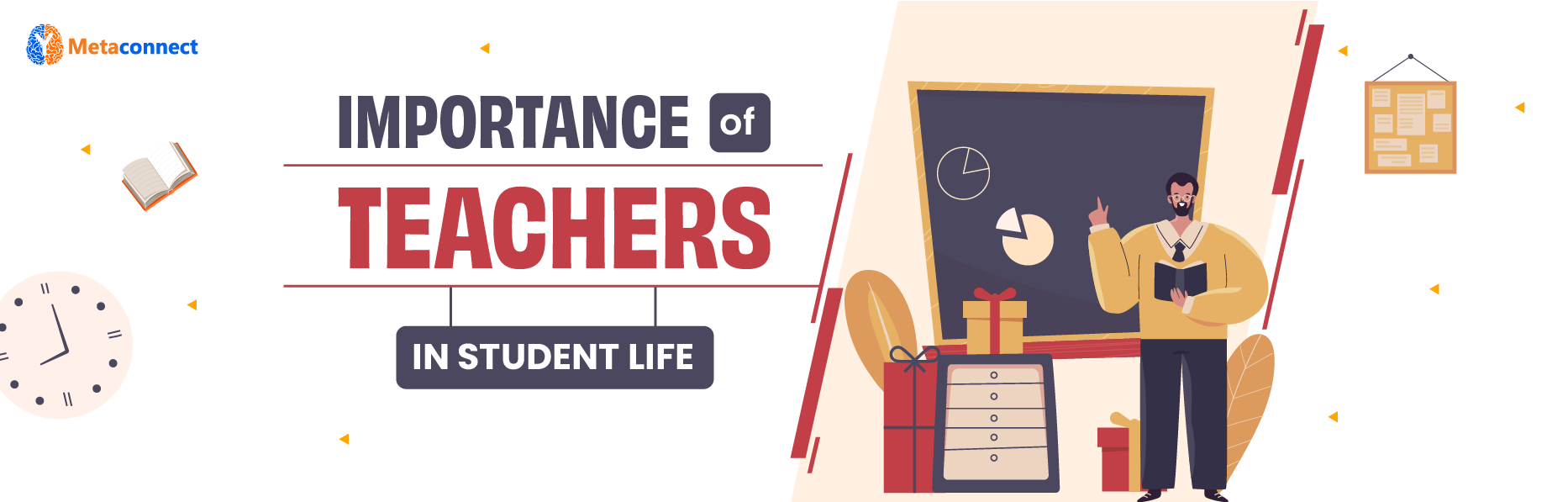
Teachers are major influences in determining what happens in a student’s life. Teachers are involved in influencing students’ thoughts, attitudes, and confidence. A good instructor inspires students to have faith in themselves as well as in what they learn. They identify strengths, rectify struggles, and establish a safe environment for queries. Right from the early years of education to colleges, educators shape and influence the learning and growth of students. Their words and teachings often remain in the minds of students forever. This blog explains the importance of teachers in students life. Let’s understand it in more detail. Role of Teachers in Personalized and Digital Learning Environment Educators play a central role in modern classrooms, where learning is both personalized and digital. Even with smart tools and online platforms, the importance of teacher in our life remains strong. Let’s explore the role of teacher in students life for personalized and digital learning environments. 1. Data-Driven Facilitator In personalized digital learning, teachers use digital tools to monitor students’ performance. This enables them to determine which students have to be given priority in order to help them overcome difficulties in learning and which ones are ready to learn new concepts or topics. 2. Curator & Learning Designer They act as a curator and learning designer, and select digital content that matches the different requirements of the learners. They create a learning path for the learners to learn at their own pace. This makes the learning process more interesting for the learners and helps them feel less stressed and more confident. 3. Coach & Mentor In personalized learning, the role of the teacher involves engaging students beyond the textbook curriculum. As coaches and mentors, they help students build their confidence and emotional development through personal guidance and support. 4. Digital Literacy Guide In a digital learning environment, educators instruct students on how to use technology in a wise manner. They educate students on online safety, etiquette, and thinking before trusting online information. This assists students in becoming smart and safe online learners. How Do Teachers Support Academic Growth and Skill Development? Let’s understand the responsibility of a class teacher that shows how they support skill development and academic achievement for students. 1. Building Strong Academic Foundations They help students understand basic concepts clearly. By breaking complex topics into manageable formats, they help students build strong foundations in reading, writing, and other subjects. When basics are clear, advanced topics feel less difficult. They also review lessons to clear doubts early. This support prevents learning gaps and builds confidence. 2. Supporting Skill Development Through Practice Skills increase through practice. Teachers provide activities for their students to apply what they have learned. Essay writing enhances expression. Group assignments build teamwork. Public speaking enhances speaking skills. They can see their students' progress and thus provide them with feedback. This process assists students in progressing step by step in improving skills. 3. Improving Communication Skills Educators assist students in expressing their ideas effectively. They motivate students to speak in class and listen to other students’ views as well. Reading aloud, writing exercises, and group discussions help students master communication skills. They also help students by correcting their errors, which boosts learners’ confidence levels in communication. 4. Teaching Time Management and Discipline They teach students how to manage time using schedules and deadlines. Homework and projects help to build time management skills in a student. The instructor shows the student how to break down a task into smaller steps. This makes the task appear as if it is a manageable process. Through this habit, the learner gets the required discipline and concentration. 5. Supporting Emotional Growth Alongside Academics Learning is linked to emotions. Teachers notice stress, fear, or lack of confidence. They offer encouragement and patience. A kind word from a teacher can change a student’s day. They also help students handle failure by focusing on effort and improvement. This emotional support helps students stay motivated and balanced. 6. Preparing Students for Future Challenges Teachers help students prepare for exams, careers, and life choices. They guide goal setting and offer advice based on experience. They often use examples, repetition, and memory-building techniques guided by teachers to help students remember lessons better. Academic growth combined with strong values prepares students for future roles with confidence. Important Roles Teachers Play There are several role of teacher in society that they take on beyond teaching lessons. Let’s check out these roles one by one below: 1. Mentor and Guide Educators guide students through academic and personal challenges. They offer advice, direction, and encouragement. Students often trust them with concerns and questions. 2. Motivator They motivate students during difficult times. They celebrate effort and progress. Motivation helps students keep going even when learning feels hard. 3. Role Model They influence behavior through actions. Students observe how teachers speak, listen, and handle problems. This example shapes student conduct. 4. Support System Educators provide emotional support when students feel stressed or unsure. A supportive instructor helps students feel safe and valued. 5. Builder of Confidence Teachers build confidence by recognizing effort and improvement. Positive feedback helps students believe in their abilities and try again. Conclusion Teachers have a permanent impact on the lives of students. They shape the educational process, develop skills, and build character. Further, they assist students in developing confidence through individual support, guidance, and counseling. They adjust to new learning environments and remain committed to students’ requirements. In addition to academic accomplishments, educators shape values, habits, and mindsets. The importance of teacher lies in the fact that they can motivate and aid the student in acquiring a brighter future. The connection between a student and a educator will lead to a lasting learning process.
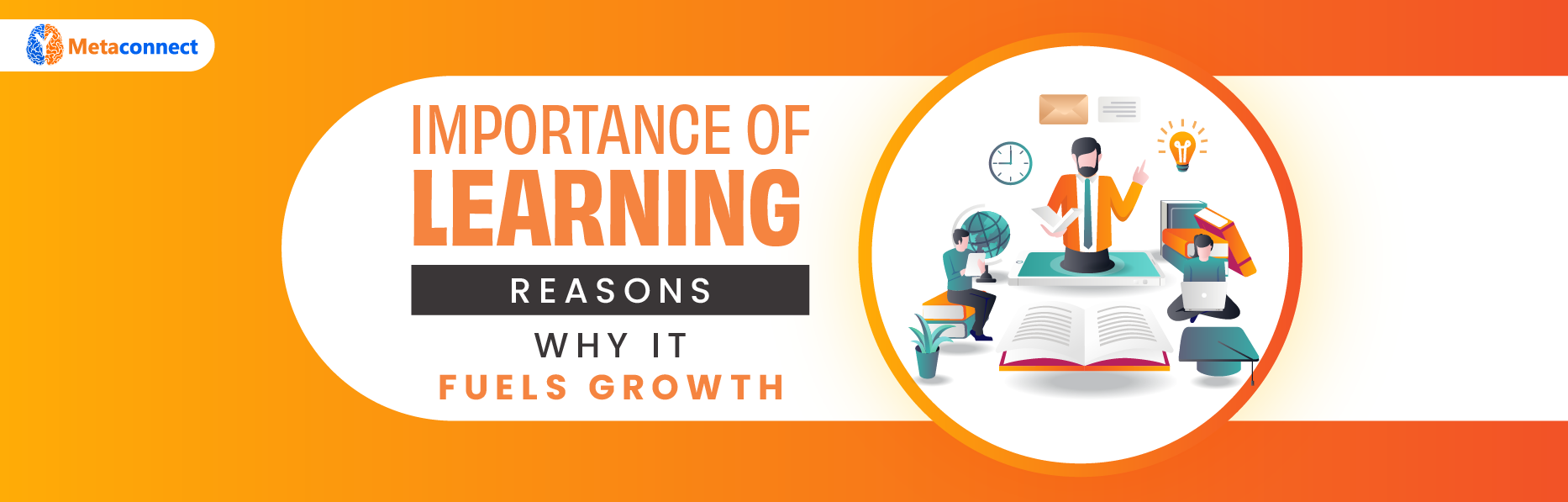
Learning influences how we think, act, and develop daily. Whether in our childhood or adulthood, it opens our minds and helps us understand the world and our place in it. It is not limited to classrooms or books. This occurs when we ask questions, experiment, and learn from failures, showing the importance of activity based learning in real understanding. It raises our esteem and provides opportunities to make good choices. In addition, it enables individuals to adjust to change without fear. When it becomes a habit, growth follows naturally. This blog explains importance of learning in a learner’s life. Let’s understand it in detail. What is Learning? It is the process of acquiring knowledge, skills, values, or understanding through study, practice, or experience. It occurs from childhood onwards, and even when we do not try to learn. It occurs through listening, observing, reading, attempting, and reflecting on the learning process. It can be both formal, such as learning in a school, and informal, such as through daily experiences in life. With time, it helps in developing habits, improving judgment, and building awareness. It’s not about memorizing facts; it’s about gaining an understanding of ideas and applying these ideas in practical situations. Why is Learning Important? It plays a key role in shaping who we become. It supports growth at every stage of life and touches every part of daily living. Let’s explore the key reasons that show the value of learning. 1. Builds Strong Thinking Skills It helps in training the mind to be logical and clear in thinking. When learners arrange knowledge in a logical order, ideas become easier to understand and recall. It helps in the early detection of issues and finding simple solutions. Eventually, one will become sharper and balanced. It also increases focus and memory. The acquired abilities will enable one to perform effectively in school and in the workplace. 2. Supports Personal Growth It increases the awareness of the individual regarding their strengths, limitations, values, and objectives. By learning, an individual gets the confidence to speak, act, and decide correctly. It assists in developing self-respect. With every new skill or concept learned, there is a feeling of progress. This progress encourages a person to try again. It influences behavior and attitude and induces curiosity in a person. Personal growth starts when it is incorporated into daily living. 3. Improves Communication and Expression It also teaches how to listen with care. This builds trust in relationships. Strong communication helps in teamwork, leadership, and conflict handling. As it grows, learners start forming connections between ideas and concepts, which improves understanding and expression. It also shows one how to listen effectively. This enhances trust in a relationship. Good communication skills help in teamwork, leadership, and managing conflicts. When people communicate effectively, they get along well with others. They do not confuse anyone. 4. Encourages Adaptability Change is part of life. The purpose of learning lies in helping people handle change with ease. New challenges, new rules, and new situations come up all the time. People who practice it regularly adapt more quickly. They are cool-headed and try to find a solution while encountering challenges. By creating flexibility in the mind, it views change as an opportunity to better things and not as a threat. This way, there will be less fear and stress associated. Adaptability also helps someone move forward during an uncertain time 5. Builds Confidence and Independence Learning gives people the power to act on their own. Knowledge eliminates doubts and fears. Once people understand how things work, they are able to make decisions with confidence. It also makes people less dependent on others for minor tasks. This independence sparks feelings of pride and self-confidence in them. Every new skill that they learn enhances their self-confidence. Gradually, they start believing in their abilities and potential in life. 6. Creates Better Opportunities It opens doors to new paths in life. Better job options often occur because of education and building skills. It even helps people find interests they never knew they had. These interests can turn into careers or hobbies. Through learning, individuals stay relevant in changing workplaces. They also stand out by offering value. It does not guarantee success, but it prepares people for chances when they appear. 7. Strengthens Social Awareness It helps people understand others and the society they live in. History, culture, and social studies teach respect and empathy. Learning different viewpoints reduces bias and misunderstanding. It helps people become fair and kind. Social awareness also improves teamwork and cooperation. It teaches the value of shared goals and mutual respect. This awareness builds stronger communities. People who learn about others often act with care and responsibility. Role of Continuous Learning in Skill Development Continuous learning plays a key role in building and improving skills over time. Skills do not stay strong without practice and updates. Regular learning helps people sharpen what they already know and add new abilities. It improves skills when learners observe how problems are solved step by step. By understanding expert thinking in real time, learners gain clarity on decision-making and problem-solving. It keeps the mind active and curious. Through ongoing learning, people learn from feedback and real experiences. This process improves accuracy and confidence. Skill building also becomes smoother when it happens in small steps. It also supports growth by turning knowledge into action through practice and reflection. Conclusion Learning provides a basis for development in every aspect of life. It influences thinking, behavior, and decision-making skills. It offers people clarity, confidence, and a sense of direction in life. It further equips one to adapt to changes easily and meaningfully. When it is made a habit, progress is felt naturally and steadily. It is not about reaching an endpoint. It is about improving step by step. The significance of learning is embedded in its ability to help individuals make better decisions and gain a better understanding. Anyone can learn and continue to grow in life by remaining curious and open-minded.
Your account has been deactivated. Please activate your account to continue using the platform.