Think-Pair-Share:
Turning Thoughts into Learning

Reflect on the topic before talking. Pair up to exchange thoughts, then share insights with everyone. Build understanding, strengthen memory, and enjoy active learning.

Try for Free

What is the Think Pair Share Activity?

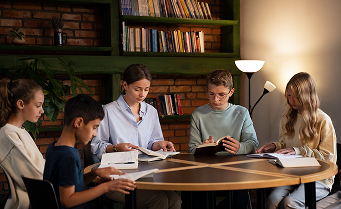
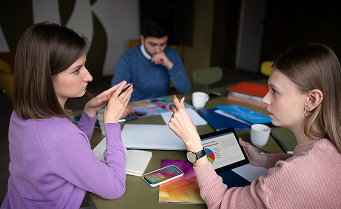
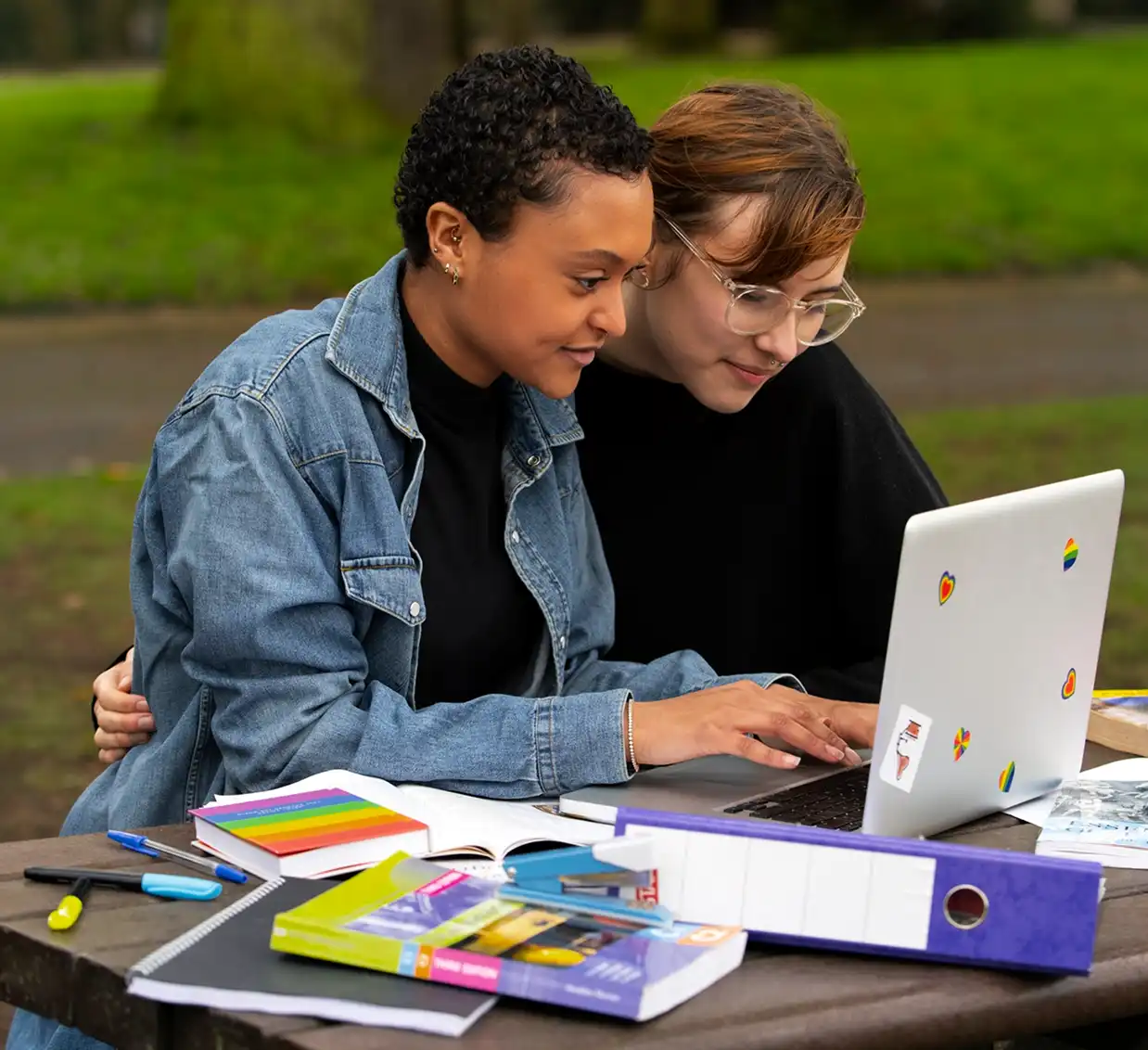
Think Pair Share Activity can be understood as a collaborative approach to learning whereby the student initially thinks alone in response to a query or issue, then partners with another student to share ideas, and finally shares with the rest. This encourages class involvement and comprehension. This technique is one of the most common strategies in interactive learning.

Try for Free

How Does the Think-Pair-Share Activity Enhance Learning?

The Think Pair Share strategy helps learners reflect independently, communicate effectively, and collaborate with peers. Here is how it enhances learning:

Promotes Active Learning

It goes beyond the process of passive listening by involving every learner in reflection and dialogue. The learners are encouraged to think of a question or a problem by themselves.

Improves Communication Skills

Students develop skills to express their thoughts effectively in pairs or groups. Sharing ideas with a friend helps in effective speaking and listening skills.

Enhances Deeper Understanding

Individual and group perspectives may complement each other because they can both lead the students to a deeper understanding of the subject matter upon evaluation.

Enhances Confidence

Structured sharing allows every student to contribute, even the quieter ones. The idea that things are presented through pairs or groups allows students to be brave enough to share their ideas.

Encourages Collaboration

Peer exchanges promote diverse perspectives and solutions. Collaborating makes participants more likely to learn from others, solve problems, and work as a team, highlighting Think Pair Share advantages.

Skills Developed Through This Activity

The Think Pair Share Activity helps learners develop essential skills for learning and life. Key skills developed by this activity include:

  • Critical Thinking & Analysis Skills

    Develop ideas, analyze and negotiate those ideas independently, then critique and improve ideas through collaboration.

  • Collaboration & Teamwork

    Work effectively with a partner, share ideas, and come up with collective solutions.

  • Problem-Solving & Anticipatory Thinking

    Apply knowledge and understanding to resolve class problems or real-world issues.

  • Communication

    Clearly articulate your thoughts during discussions and presentations.

  • Creativity & Innovation

    Develop new ideas and approaches and learn from different viewpoints.

How does YMetaconnect Supports This Activity?

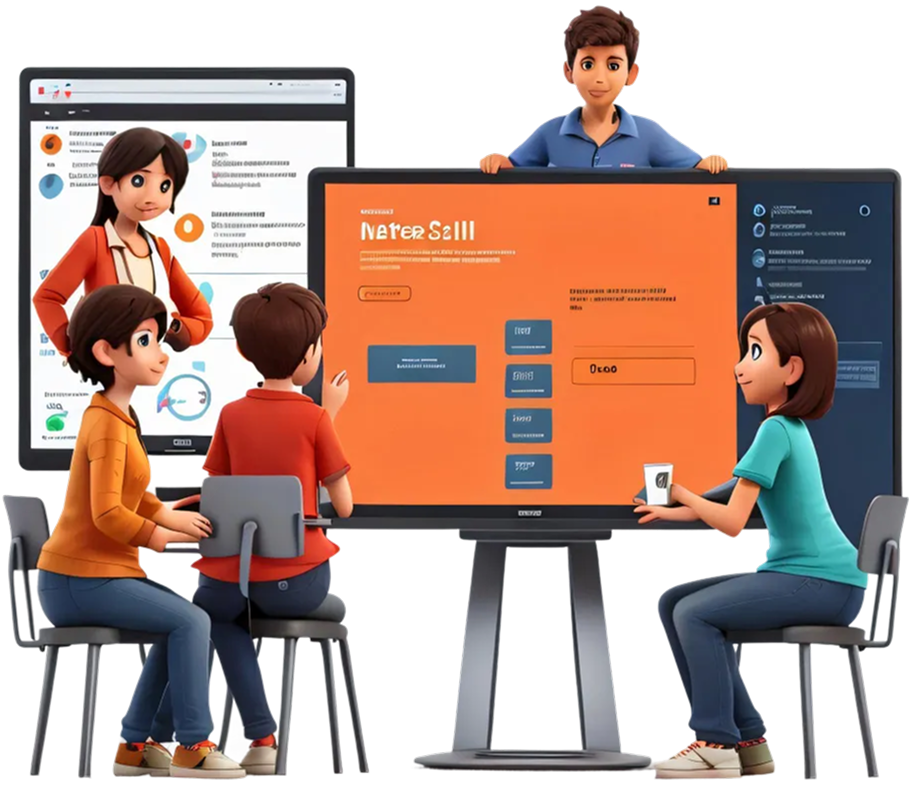
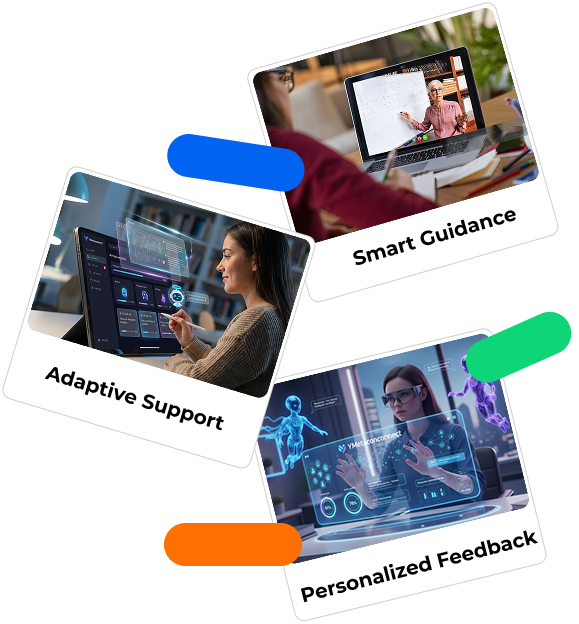
YMetaconnect strengthens the Think Pair Share Strategy by providing a structured flow for individual reflection, collaborative discussion, and group sharing. Here’s how YMetaconnect supports this activity:

  • RAR AI’s Customized Activity Selection

    Think-Pair-Share is recommended by YMetaconnect’s R-A-R AI tool based on the topic, learner readiness, content type, and skill focus. This ensures students receive tasks that match their learning goals.

  • Structured Individual Preparation

    Learners are guided to think independently about a question or scenario before pairing. Prompts, short exercises, or reflection notes help students organize ideas for discussion.

  • In-Session Collaboration and Sharing

    During class, students pair up to discuss their thoughts and then share with the group. This interactive process encourages participation, teamwork, and deeper understanding.

  • Monitoring and Evaluation of Skills

    AI tracks learners’ engagement, preparation quality, collaboration, and communication during the activity. Learners receive AI-generated feedback reflecting skill growth across critical areas.

  • Reflection and Improvement

    Finally, AI guides learners through a reflection loop. They review their independent thinking, partner discussions, and group sharing to identify ways to enhance performance in the future.

Fequently asked questions

The Think Pair Share Activity typically takes 5–15 minutes, depending on the topic, class size, and discussion depth. Shorter sessions work for simple questions, while complex topics may need more time.

Yes, it is flexible and can be applied to almost any subject. Whether it’s science, language, history, or math, students can reflect, discuss, and share ideas to enhance understanding.

Students develop critical thinking, communication, problem-solving, creativity, collaboration, teamwork, and lifelong learning skills. They also learn to evaluate ideas, innovate, and approach tasks with better reasoning and judgment.

Students should think individually before sharing ideas because individual thinking allows students to think, organize their thoughts, formulate opinions, and make valuable contributions. They show their confidence in class by contributing, even those also who were too shy to contribute.

It actively involves each and every student, encourages reflection, and allows learners to discuss and refine ideas. Deep understanding, long retention, and the relation of learning to real-life situations are facilitated by this process for the students.

Our Latest Blog

View all

Mind Map Ideas for Students to Support Creative Thinking and Better Memory

Learning can be confusing when there are a lot of notes that are difficult to remember. Many students will read the same page over and...

YMetaconnect

05 Feb 2026
Read More

Growth vs Development in Children: What’s the Real Difference?

The terms "growth" and "development" are often used together. Many parents believe that these terms are the same thing. They are not. Growth and development...

YMetaconnect

05 Feb 2026
Read More

Personality Development: Meaning, Types, and Key Factors

Why do two people act differently in the same situation? The answer to this question is often found in the development of personality. Personality affects...

YMetaconnect

05 Feb 2026
Read More

Co-Education in Schools: Positive and Negative Effects on Students

Have you ever wondered how learning alongside both boys and girls impacts students? Co-education is a common system in schools worldwide, but it comes with...

YMetaconnect

05 Feb 2026
Read More