Research Skills Activity:
Explore with Purpose, Conclude with Confidence

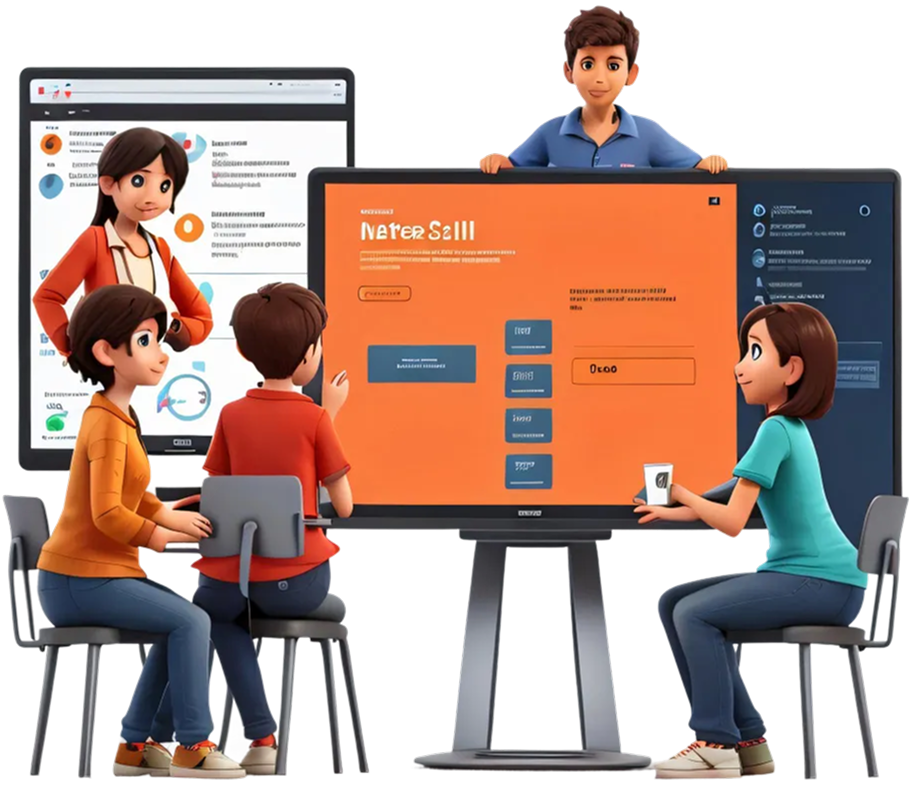
Research activity helps learners strengthen thinking, organize evidence, and present findings with clarity and logical structure. Develop confidence in finding facts, asking better questions, and analyzing information clearly.

Try for Free

What is the Research Skills
Activity?

The research skills activity is a guided and systematic process wherein the learner researches a given topic, collects information, and analyzes the findings. It includes question framing, source evaluation, note making, comparison tasks, and summary writing exercises to build strong thinking and investigation habits.

Try for Free

How Does This Activity Enhance Learning?

The research techniques improve reasoning, curiosity, and decision-making by teaching learners how to collect, analyze, and present information effectively. Here’s how it improves learning:

Builds Inquiry Mindset

Learners start with specific questions that frame their exploration and enhance their inquisitiveness. The quality of questions they ask directly impacts the quality of the exploration they carry out.

Strengthens Source Evaluation

Participants learn how to check reliability, make comparisons, and detect bias. Learning research enhances their judgment and prevents misinformation during research.

Encourages Logical Organization

Research notes have a neat arrangement of structure, which allows learners to group ideas, make links, and build robust arguments in a stepwise manner.

Improves Evidence-Based Thinking

By using facts, examples, and data to validate arguments, the learner becomes more confident in sharing ideas during academic discussions through research techniques practice.

Promotes Independent Learning

Through consistent research learning, learners develop the ability to explore new topics on their own without constant guidance.

Key Skills Developed Through This Activity

This activity builds essential academic research skills through guided exploration, structured practice, and reflection. Key skills developed by this activity are:

  • Critical Thinking

    Students learn to question assumptions, make comparisons, and draw conclusions based on evidence. This improves the effectiveness of decision-making.

  • Problem-Solving

    Learners identify the gaps they have in knowledge through the research tasks assigned to them. They explore various options to find the correct answers

  • Analytical Skills

    Participants simplify complex information into more manageable pieces to better grasp the patterns, relationships, and major findings, leading to improved analytical skills.

  • Communication Skills

    Communication skills are improved. Learners organize findings and present them clearly in written or spoken form, improving clarity and confidence.

  • Decision-Making Skills

    By weighing evidence and considering the availability of multiple sources, learners make informed choices that are supported by logical reasoning.

How does YMetaconnect Supports This Activity?

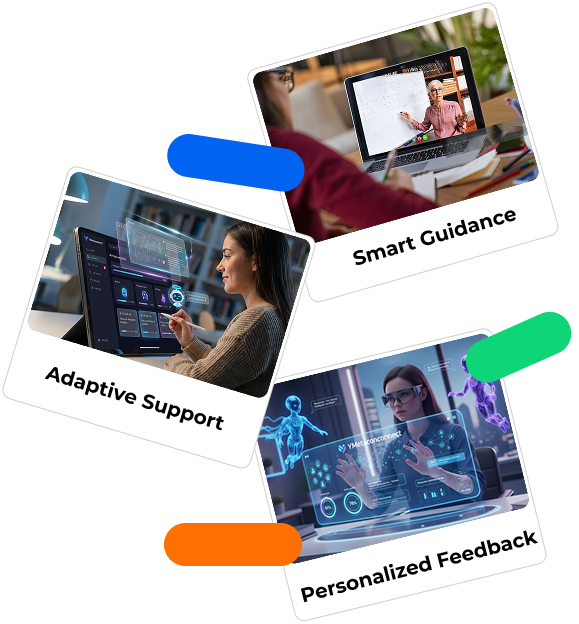
YMetaconnect supports research skills development by guiding learners step by step through structured exploration, evaluation, and reflection. Here’s how it supports this activity:

  • RAR AI's Customized Activity Selection

    YMetaconnect’s R-A-R AI tool suggests research skills practice based on age, skill level, and learning goals, ensuring activities are challenging yet manageable.

  • Guided Problem Solving

    Learners receive support in framing questions, selecting sources, and analyzing findings, making the complex research activity easier to follow.

  • Applying the Research Skills Exercises

    The R-A-R AI tool allows learners to practice summarizing, comparing data, and presenting conclusions using clear research methods and activity formats.

  • Monitoring and Evaluation of Skills

    AI tracks performance, which helps in highlighting strengths, reasoning patterns, and improvement areas, helping learners focus on building a deeper understanding.

  • Reflection and Improvement

    Finally, AI allows learners to review and reflect on their research skills, identify mistakes, and refine strategies to improve future research outcomes.

Fequently asked questions

You will notice clearer notes, stronger arguments, better source selection, and more confidence in explaining your findings logically.

Practicing 2–3 times a week for short sessions builds improvement without causing much difficulty. For it, consistency matters more than duration.

Research activity builds strong research techniques, organized thinking, and evidence-based writing, which improve assignments, projects, and presentations.

You can explore academic subjects, social issues, science topics, business ideas, or personal interests. The activity adapts to many learning areas.

Students, professionals, and lifelong learners can benefit from the research activity. It helps anyone who wants to improve analysis, critical thinking, and structured investigation abilities.

Our Latest Blog

View all

Universal Design for Learning (UDL): Meaning, Principles, and Benefits

Walk into any classroom, and you will notice one thing immediately. Every student learns a little differently. Some students understand quickly through visuals. Others prefer...

YMetaconnect

19 Mar 2026
Read More

Effective Teaching Strategies & Techniques

Think about the teachers you remember the most. Chances are, they were not just explaining lessons from a book. They made the class interesting by...

YMetaconnect

19 Mar 2026
Read More

CBSE vs ICSE vs State Board

Every parent has to go through a phase of confusion regarding which board to choose for their child: CBSE, ICSE, or State Board. Initially, it...

YMetaconnect

17 Mar 2026
Read More

Kinesthetic Learning Style: Definition, Key Characteristics, and Benefits

Have you ever noticed that there are students who don’t seem to understand something until they try it out? They may be distracted during the...

YMetaconnect

17 Mar 2026
Read More