Fishbowl Group:
Where Ideas Take Center Stage

Dive into the discussion with the Fishbowl conversation. Speak in the inner circle while others watch and think and get a chance to contribute, collaborate, communicate, and gain a deeper understanding.

Try for Free

What is the Fishbowl Group Activity?

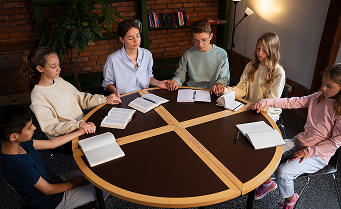
Fishbowl activity is an interactive method of learning whereby a group of students is seated in an inner circle to discuss a topic or idea while the rest of the class is seated in an outer circle for observation. Observers reflect on an activity, jot down notes, and then share insights. It is commonly used in collaborative or student-centered learning.

Try for Free

How Does the Fishbowl Group Activity Enhance Learning?

The Fishbowl strategy helps learners think critically, communicate effectively, and participate actively. Here is how it enhances learning:

Encourages Use of Critical Thinking

Through exposure to differing points of view in Fishbowl rules, students will be able to research an issue thoroughly before developing a well-reasoned conclusion.

Improves Communication Skills

As students learn to effectively communicate their views with the group members within the inner circle, they will develop the ability to speak effectively and will enhance their listening skills.

Increases Ability to Listen Actively

As students take part in discussions within an observation circle, they will be prompted to pay attention and understand differing points of view by taking notes, reflecting, and providing feedback.

Balance of Participant Involvement

The rotation system allows all participants opportunities to be involved in discussions, which allows students who may be shy or reluctant to speak to express their views.

Promotes Development of Reflective Skills

Debriefing after a discussion will assist in developing the students' understanding of views expressed & provide an opportunity for personal reflection on the contributions.

Skills Developed Through This Activity

The Fishbowl exercise helps learners build essential skills for learning and life. Key skills developed by this activity include:

  • Critical Thinking & Analytical Skills

    Be an observant, analytical, and critical thinker of different perspectives and give input to enhance group discussions.

  • Communication

    Share thoughts clearly in the inner circle. Give positive comments constructively as an observer.

  • Collaboration & Teamwork

    Work well as part of a team, add to teamwork discussions, and help to teach others.

  • Problem Solving & Anticipatory Thinking

    Anticipate questions that might come up and develop solutions through collaboration. Think of ways to apply solutions.

  • Creativity & Innovation

    Bring new perspectives, demonstrate innovative thinking, and absorb new ideas from within and outside of the outer circle.

How does YMetaconnect Support This Activity?

YMetaconnect strengthens the Fishbowl activity by providing a structured framework for observation, discussion, and reflection. Here’s how YMetaconnect supports this activity:

  • RAR AI’s Customized Activity Selection

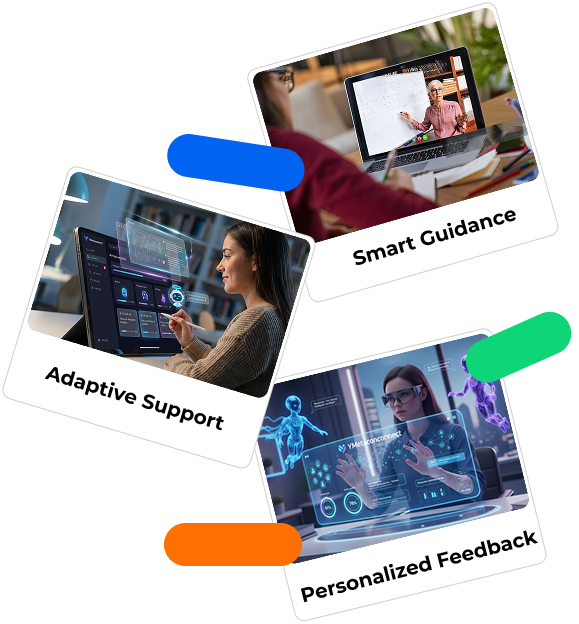
    The Fishbowl Group Activity is recommended by YMetaconnect’s R-A-R AI tool based on the topic, learner readiness, content type, and skill focus. This ensures students receive tasks aligned with their learning goals.

  • Structured Preparation

    Learners are guided to prepare by reading, reflecting, or noting ideas before participating in the inner or outer circle. Prompts and reflection tasks help organize thoughts for effective discussion.

  • In-Session Collaboration and Observation

    During the session, students in the inner circle share ideas while observers listen, reflect, and prepare contributions. The fishbowl teaching strategy encourages active participation, teamwork, and analytical thinking.

  • Monitoring and Evaluation of Skills

    AI tracks engagement, communication, observation quality, and participation. Learners receive AI-generated feedback highlighting growth in critical skills and collaborative abilities.

  • Reflection and Improvement

    AI guides learners through a reflection loop. Students review their participation, observe others, and identify strategies to improve discussion, observation, and contribution in the future.

Fequently asked questions

Fishbowl conversation is better than regular classroom discussion because it gives students time to reflect, observe, and participate in a structured way. Everyone has a chance to speak, listen, and contribute, making learning more active, fair, and meaningful.

Students develop critical thinking, communication, teamwork, problem-solving, and creativity. Observing and sharing ideas also strengthens reflection, analytical skills, and confidence, helping learners actively participate in discussions.

Students in the inner circle discuss a topic, and the rest observe in the outer circle. After an allotted time, the positions switch, giving each student an opportunity to discuss their work.

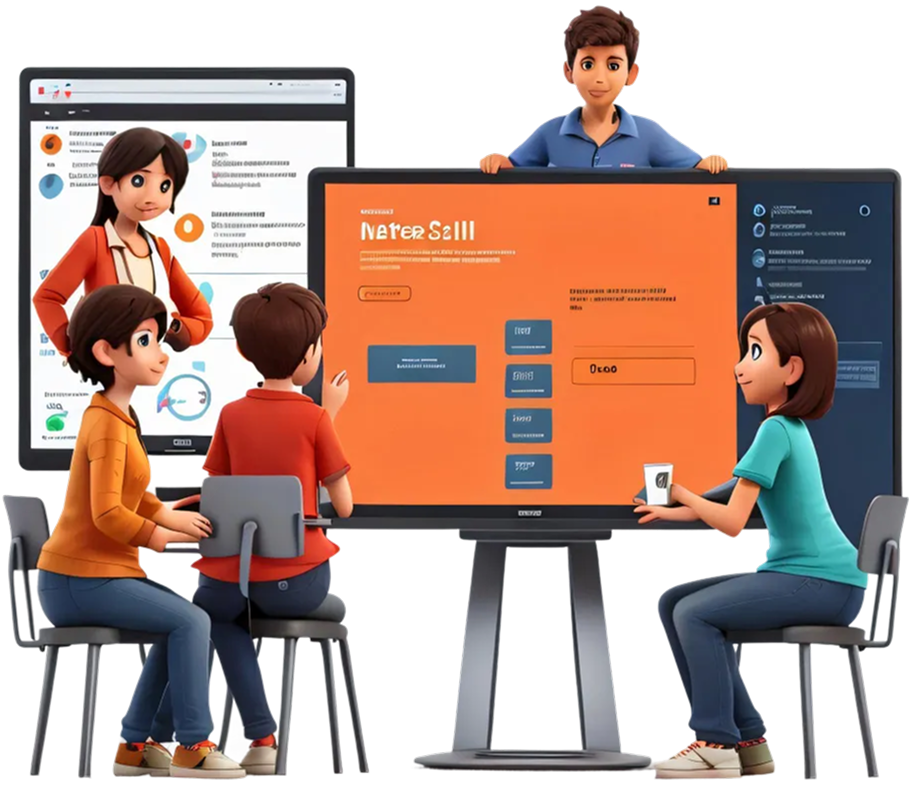
Yes, Fishbowl conversation can absolutely be carried out online. The students discuss in the inner circle using breakout rooms while the rest of the students watch. The students have the opportunity to take notes, reflect, and make suggestions using the chat or the main session.

A fishbowl discussion is a classroom activity where a discussant talks in an inner circle while the rest of the class observes in an outer circle. Observers think, note down, and then discuss with a class at a future time.

Our Latest Blog

View all

What are the Benefits of the Internet for Students?

The internet has changed how students learn, think, and grow. Learning is no longer limited to classrooms or textbooks. With a phone or computer, students...

Read More

What Are the Key Benefits of Learning English?

English is more than just a subject taught in school. It is a life skill that opens doors in education, work, and daily communication. From...

Read More

What Does Curriculum Mean in Education? Types, Purpose, and Impact

Education does not happen by chance. Behind every lesson, activity, and assessment, there is a clear plan. That plan is called the education curriculum. It...

Read More

10 Powerful Benefits of Reading Books for Knowledge and Personal Growth

The impact of books on our lives is a major one. Books do not raise their voices to attract attention, but they always leave a...

Read More

What are the Benefits of the Internet for Students?

The internet has changed how students learn, think, and grow. Learning is no longer limited to classrooms or textbooks. With a phone or computer, students...

YMetaconnect

28 Jan 2026
Read More

What Are the Key Benefits of Learning English?

English is more than just a subject taught in school. It is a life skill that opens doors in education, work, and daily communication. From...

YMetaconnect

28 Jan 2026
Read More

What Does Curriculum Mean in Education? Types, Purpose, and Impact

Education does not happen by chance. Behind every lesson, activity, and assessment, there is a clear plan. That plan is called the education curriculum. It...

YMetaconnect

28 Jan 2026
Read More

10 Powerful Benefits of Reading Books for Knowledge and Personal Growth

The impact of books on our lives is a major one. Books do not raise their voices to attract attention, but they always leave a...

YMetaconnect

28 Jan 2026
Read More