Case Analysis Presentation:
Turn Analysis into Action

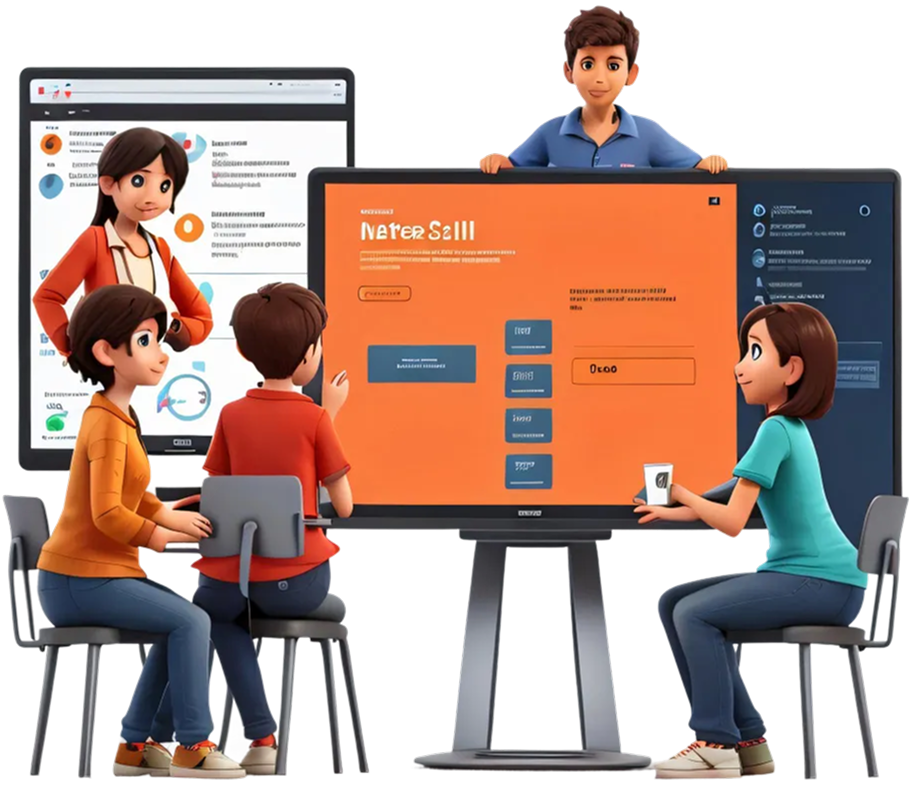
Engage in structured case analysis sessions and interactive case study presentation formats that sharpen critical thinking, communication, and decision-making. Present insights, defend solutions, and apply learning to real-world challenges.

Try for Free
Presentation Video

What is the Case Analysis Activity?

A case analysis activity is a structured learning exercise where participants examine real or simulated scenarios, identify key issues, evaluate options, and present solutions. Through this case study presentation activity, learners move beyond theory. In academic and professional settings, a business case presentation trains learners to think strategically while communicating ideas with clarity and confidence.

Try for Free

How Does the Case Analysis Presentation Activity Enhance Learning?

The case analysis presentation for students strengthens both thinking and communication skills. Here is how it improves learning:

Enhances Analytical Thinking

Learners break down complex scenarios, identify root problems, evaluate data, and connect facts to outcomes before presenting structured solutions.

Strengthens Decision-Making Skills

Participants assess multiple options, weigh risks, and defend chosen strategies, building confidence in making informed decisions under pressure.

Improves Structured Communication

Presenters organize findings into clear arguments, supporting points with logic and evidence while maintaining audience engagement.

Develops Research and Evidence Use

Learners gather relevant information, analyze supporting data, and integrate insights into persuasive presentations.

Builds Confidence in Public Speaking

Regular case presentations help learners speak clearly, respond to questions, and handle feedback with professionalism.

Skills Developed Through This Activity

Case analysis presentations develop essential academic and professional skills. Key skills developed through this activity are:

  • Analytical Thinking

    Evaluate information, identify patterns, and draw logical conclusions from complex situations.

  • Strategic Planning

    Propose practical solutions backed by structured reasoning and evidence.

  • Communication Clarity

    Present ideas in a clear, concise, and persuasive format.

  • Team Collaboration

    Work with peers to divide research, develop insights, and deliver cohesive presentations.

  • Problem-Solving Ability

    Address challenges creatively while considering constraints and real-world impact.

How does YMetaconnect Support This Activity?

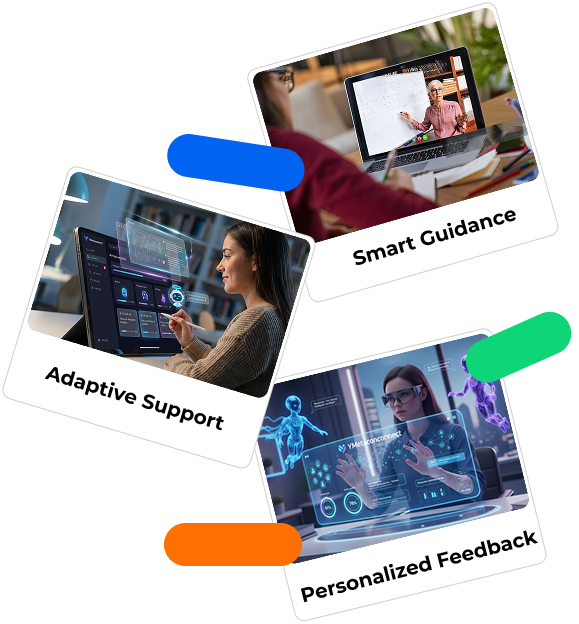
YMetaconnect strengthens the case analysis presentation process through guided preparation, structured collaboration, and intelligent feedback. Here’s how it supports this activity:

  • RAR AI’s Customized Case Selection

    YMetaconnect’s R-A-R AI tool recommends relevant case analysis topics based on subject area, learner readiness, and skill level. Activities are aligned with goals and structured for effective engagement.

  • Structured Preparation Framework

    Learners receive guidance on analyzing the case, identifying key issues, outlining arguments, and organizing presentation flow. Prompts and planning templates support clarity and depth.

  • In-Session Collaboration and Delivery

    During the session, learners present findings, defend conclusions, and respond to peer or instructor questions. The case study presentation format encourages active participation and critical discussion.

  • Performance Monitoring and Feedback

    AI tracks engagement, clarity, logic, collaboration, and response handling. Learners receive structured feedback and performance scores reflecting analytical depth and communication quality.

  • Reflection and Skill Improvement

    After the presentation, teams review decisions, argument strength, and audience feedback. This reflection loop improves future case study presentation activity performance and strengthens long-term skill growth.

Fequently asked questions

Case analysis builds critical thinking, structured communication, strategic decision-making, and confidence, skills essential in academics, business, and leadership roles.

Evaluation focuses on analytical depth, clarity of argument, evidence use, teamwork, and presentation confidence. Structured rubrics and AI feedback provide measurable insights.

Yes. Team-based presentations improve collaboration, task delegation, and structured communication while encouraging shared responsibility.

Most sessions range from 30 to 90 minutes. More detailed business cases may extend across multiple sessions depending on depth and research requirements.

Yes. Case analysis activities can be adapted for school, college, and professional learners. The complexity of cases varies based on experience and learning objectives.

Our Latest Blog

View all

Universal Design for Learning (UDL): Meaning, Principles, and Benefits

Walk into any classroom, and you will notice one thing immediately. Every student learns a little differently. Some students understand quickly through visuals. Others prefer...

YMetaconnect

19 Mar 2026
Read More

Effective Teaching Strategies & Techniques

Think about the teachers you remember the most. Chances are, they were not just explaining lessons from a book. They made the class interesting by...

YMetaconnect

19 Mar 2026
Read More

CBSE vs ICSE vs State Board

Every parent has to go through a phase of confusion regarding which board to choose for their child: CBSE, ICSE, or State Board. Initially, it...

YMetaconnect

17 Mar 2026
Read More

Kinesthetic Learning Style: Definition, Key Characteristics, and Benefits

Have you ever noticed that there are students who don’t seem to understand something until they try it out? They may be distracted during the...

YMetaconnect

17 Mar 2026
Read More