Role Reversal:
Switch Roles, Think Deeper, Learn Better

Learn to understand, not just respond. Take part in structured sessions that help you see ideas from a new side. Through guided discussions and reflection tasks, students apply communication skills in real classroom situations.

Try for Free
Presentation Video

What is the Role Reversal Activity?

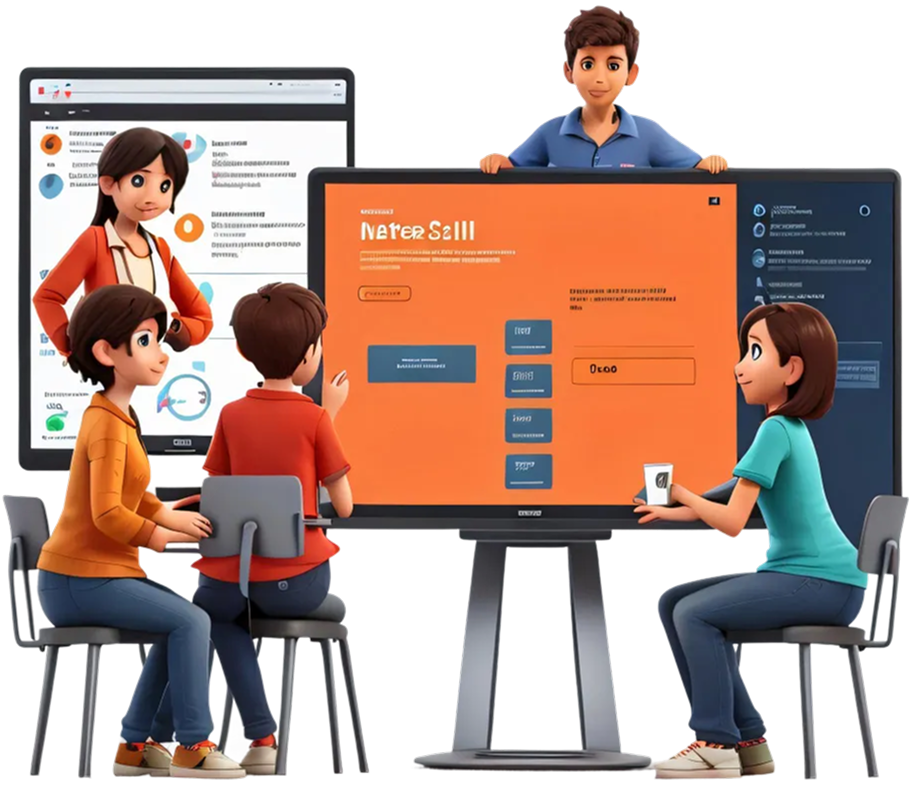
The role reversal meaning is simple. It means switching roles to understand another person’s responsibility and point of view. In this activity, students may act as the teacher, moderator, evaluator, or team lead for a short time. A structured role reversal activity in classroom settings changes how students engage. Instead of only answering questions, they guide discussion and explain ideas. A well-designed role reversal exercise gives learners space to experience responsibility.

Try for Free

How Does the Role Reversal Activity Enhance Learning?

A planned role reversal activity supports stronger learning by changing participation patterns. It encourages focus, responsibility, and thoughtful communication. Here’s how it enhances learning:

Builds Perspective Awareness

This works as a powerful perspective activity. Students learn how others think and respond during discussions.

Improves Communication Skills

Learners organize ideas clearly before speaking. The leading part of a lesson improves structure and delivery.

Encourages Active Participation

Students become involved instead of staying passive. Switching roles increases alertness and engagement.

Develops Decision-Making

Guiding discussion requires calm thinking and fair judgment. Students learn to respond with clarity.

Strengthens Responsibility

When learners lead part of the session, they take ownership of their role.

Skills Developed Through This Activity

This structured perspective-taking activity helps learners grow in important areas. Key skills developed during this activity are:

  • Enhances Critical Thinking

    Students examine ideas carefully, organize their thoughts, and explain concepts with logic instead of guessing or repeating.

  • Builds Empathy

    Switching roles allows learners to see situations from another person’s point of view, which improves understanding and respect.

  • Improves Confidence

    Leading part of a discussion helps students speak more steadily and feel comfortable sharing their ideas.

  • Strengthens Structured Expression

    Learners present thoughts step by step, making their explanations clearer and easier to follow.

  • Develops Adaptability

    When roles change, students adjust quickly, handle responsibility calmly, and stay focused during transitions.

How does YMetaconnect Support This Activity?

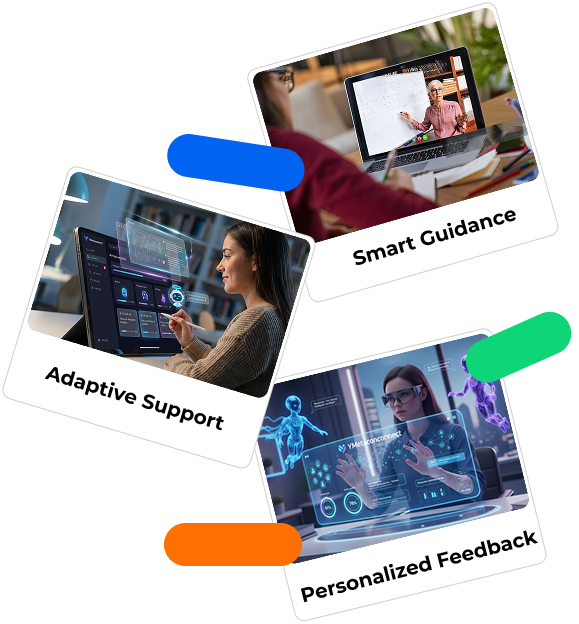
YMetaconnect strengthens role reversal sessions through preparation, structure, and reflection. Here’s how it supports this activity.

  • RAR AI’s Customized Activity Selection

    The R-A-R AI tool recommends sessions based on topic, readiness, and group level. Prompts match learning goals.

  • Structured Preparation

    Students receive clear role instructions before starting. This keeps the session focused and balanced.

  • In-Session Application

    Learners guide discussion, switch roles, and interact in a structured setting.

  • Monitoring and Feedback

    AI tracks clarity, engagement, and participation. Feedback highlights areas of growth.

  • Reflection and Improvement

    After the session, AI allows learners to review their performance and plan improvement for future sessions.

Fequently asked questions

Students build communication skills, empathy, confidence, teamwork, and critical thinking. They also learn how to take responsibility when leading part of a discussion.

Progress is observed through participation, clarity while speaking, listening habits, and response quality. Teachers or AI tools can provide simple feedback to guide improvement.

Yes. It fits easily into normal lessons. Students apply what they are already learning, but from a different point of view. This makes lessons more active and easier to understand.

Most sessions run between 20–45 minutes. Short sessions may focus on one discussion round. Longer ones allow students to switch roles and reflect on their experience.

Yes. This activity can be adjusted for different age groups and learning levels. Younger students can handle simple role tasks, while older learners can manage deeper discussions and feedback.

Our Latest Blog

View all

Universal Design for Learning (UDL): Meaning, Principles, and Benefits

Walk into any classroom, and you will notice one thing immediately. Every student learns a little differently. Some students understand quickly through visuals. Others prefer...

YMetaconnect

19 Mar 2026
Read More

Effective Teaching Strategies & Techniques

Think about the teachers you remember the most. Chances are, they were not just explaining lessons from a book. They made the class interesting by...

YMetaconnect

19 Mar 2026
Read More

CBSE vs ICSE vs State Board

Every parent has to go through a phase of confusion regarding which board to choose for their child: CBSE, ICSE, or State Board. Initially, it...

YMetaconnect

17 Mar 2026
Read More

Kinesthetic Learning Style: Definition, Key Characteristics, and Benefits

Have you ever noticed that there are students who don’t seem to understand something until they try it out? They may be distracted during the...

YMetaconnect

17 Mar 2026
Read More