Picture Reflection Activity:
Develop Awareness Through Visual Thinking

Photo reflection activity assists learners in observing deeply, thinking critically, and expressing ideas clearly. Improve attention to detail and emotional awareness through guided image-based reflection.

Try for Free
Presentation Video

What is the Picture Reflection
Activity?

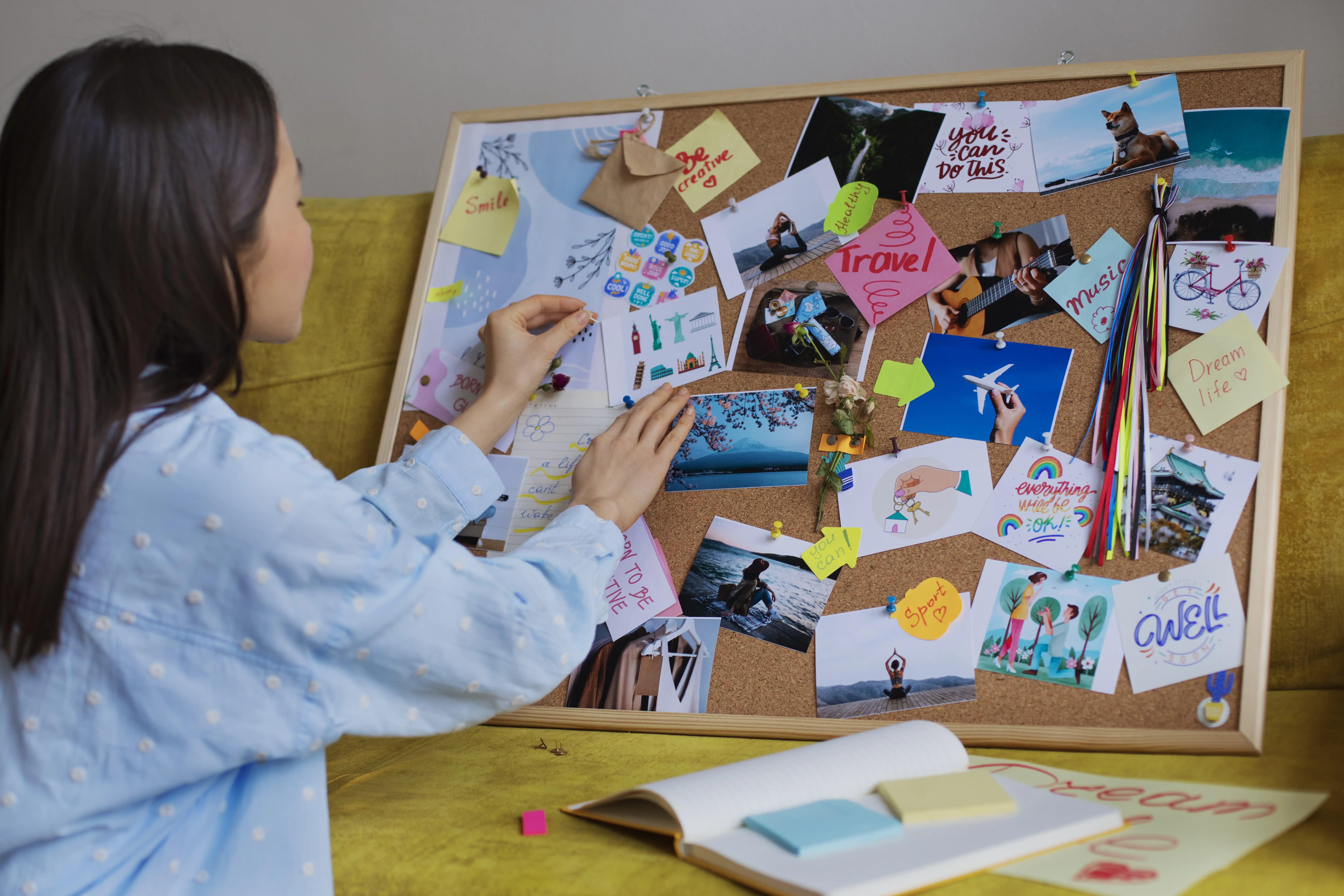
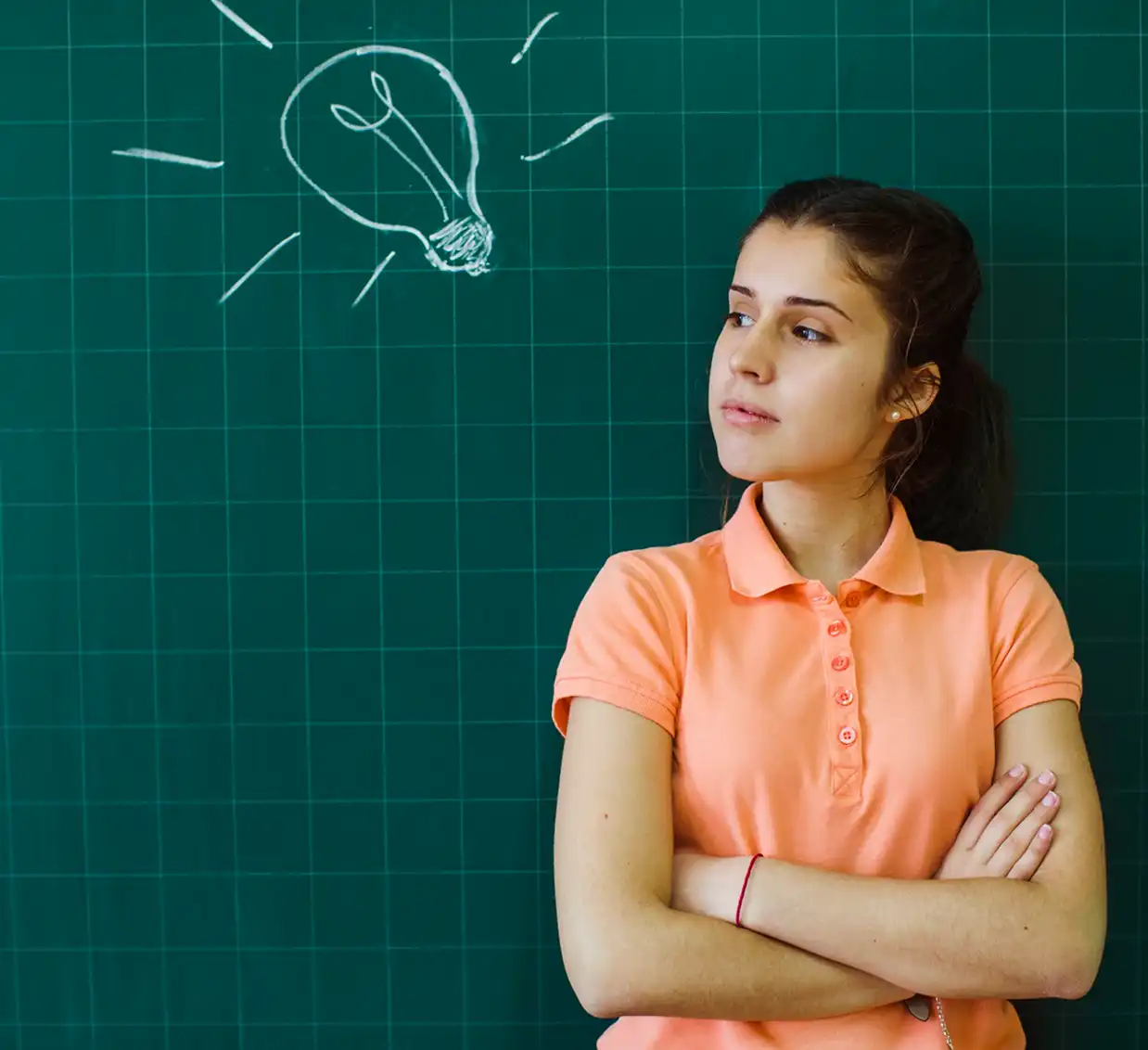
A picture reflection activity is a learning activity where learners examine a photo and answer reflection questions. Rather than jumping to conclusions, they observe, describe what they see, and interpret the meaning step by step. It involves describing objects, recognizing emotions, analyzing context, or relating the photo to personal experience

Try for Free

How Does This Activity Enhance Learning?

This photo caption exercise builds thinking by encouraging careful observation and thoughtful responses. Learners move from simply looking at an image to analysing and interpreting it. Here is how this activity supports growth:

Improves Observation Skills

Students concentrate on minute details in the picture. They observe facial expressions, colors, background information, and human body positions. This improves their attention and prevents making careless inferences.

Builds Critical Thinking

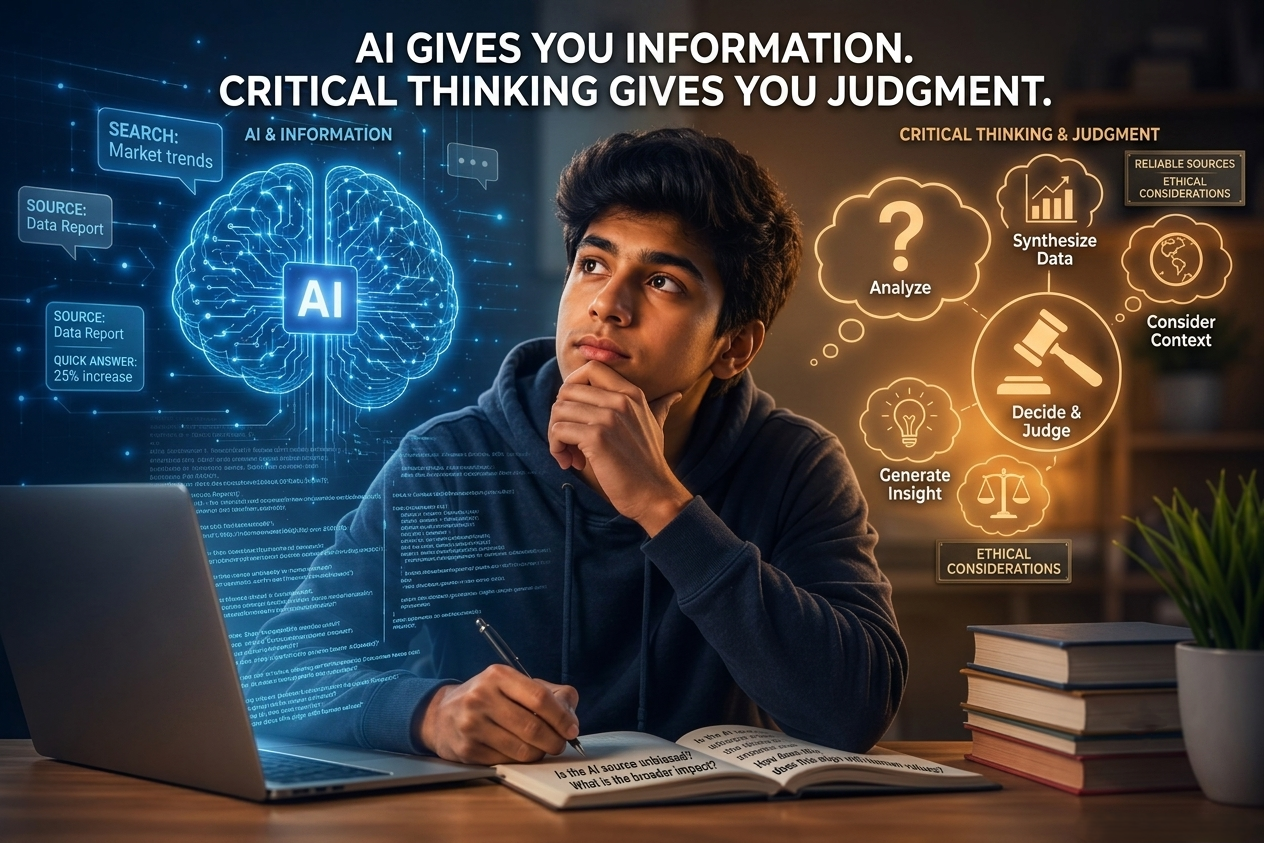
Rather than making inferences, students justify why they think something is taking place in the picture. They use evidence from the picture to support their claims. This builds logical reasoning.

Develops Emotional Awareness

Pictures usually convey emotions and human experiences. Students think about the emotions portrayed in the picture. This improves empathy and understanding of other people’s perspectives.

Encourages Clear Expression

Students express their thoughts when they share their reflections. They put their thoughts into words. Visual thinking activities build communication skills and confidence in speaking or writing.

Connects Learning to Real Life

Picture caption practice often relates to daily life, history, science, or social themes. Learners connect classroom concepts to real situations, which strengthens understanding.

Key Skills Developed Through This Activity

Image interpretation activity builds strong cognitive and communication abilities through structured image analysis. Key skills developed through this activity are:

  • Critical Thinking

    Learners analyse visual details before forming conclusions. They learn to question and reason carefully.

  • Observation and Attention

    Regular practice improves the ability to focus on important details without distraction.

  • Emotional Intelligence

    Reflecting on facial expressions and scenarios builds empathy and awareness.

  • Communication Skills

    Learners explain interpretations clearly during discussions or written reflection.

  • Decision Making

    Learners choose the most logical interpretation based on visible evidence in the image.

How does YMetaconnect Supports This Activity?

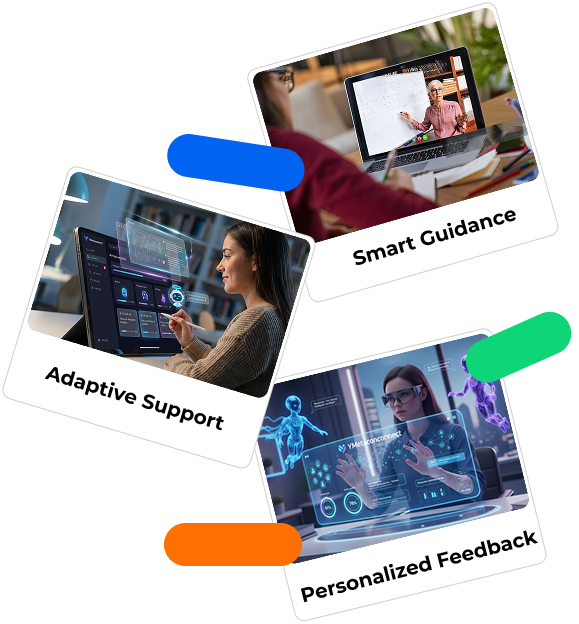
YMetaconnect supports photo storytelling activity by guiding learners step by step through structured image analysis and reflection. Here’s how it supports this reflective picture activity.

  • RAR AI's Customized Activity Selection

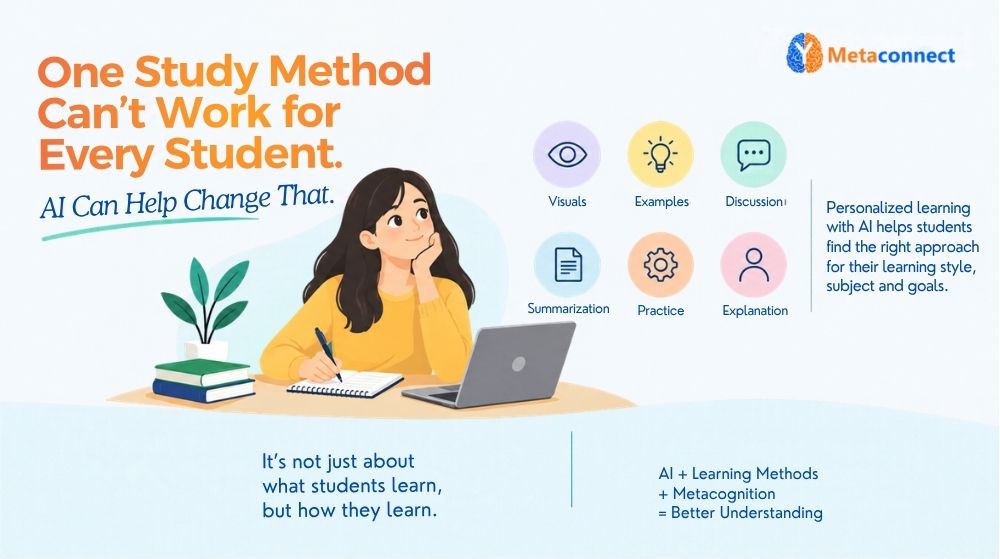
    YMetaconnect’s R-A-R AI tool suggests a visual reflection exercise based on age, learning goals, and skill level. This keeps the reflective activity balanced and progressive.

  • Guided Observation Prompts

    Learners receive structured questions that guide them to notice key details in the image. This reduces confusion and improves clarity of thought.

  • Applying Photo Reflection Exercises

    The R-A-R AI tool allows learners to engage in themed photo analysis tasks, scenario-based reflection, and written response activities through interactive formats.

  • Monitoring and Evaluation of Skills

    Progress tracking highlights clarity of explanation, depth of observation, and improvement trends. Learners see visible growth in each visual learning.

  • Reflection and Improvement

    After each activity, AI allows learners to review their responses, compare insights, and refine their interpretation skills for the next reflection exercise.

Fequently asked questions

Yes. It helps children recognise emotions, build empathy, and understand different perspectives in real-life situations.

Yes, visual learning helps students understand concepts faster, remember information better, and improve analytical and comprehension skills.

No artistic skills are needed. The focus is on careful observation, logical thinking, and clear expression, not artistic judgment.

Two to three times a week is effective. Short, consistent sessions help steadily improve observation and reasoning skills.

Children can start around 5 or 6 with simple questions like “What do you see?” As they grow, activities can include deeper interpretation and storytelling.

Our Latest Blog

View all

Universal Design for Learning (UDL): Meaning, Principles, and Benefits

Walk into any classroom, and you will notice one thing immediately. Every student learns a little differently. Some students understand quickly through visuals. Others prefer...

YMetaconnect

19 Mar 2026
Read More

Effective Teaching Strategies & Techniques

Think about the teachers you remember the most. Chances are, they were not just explaining lessons from a book. They made the class interesting by...

YMetaconnect

19 Mar 2026
Read More

CBSE vs ICSE vs State Board

Every parent has to go through a phase of confusion regarding which board to choose for their child: CBSE, ICSE, or State Board. Initially, it...

YMetaconnect

17 Mar 2026
Read More

Kinesthetic Learning Style: Definition, Key Characteristics, and Benefits

Have you ever noticed that there are students who don’t seem to understand something until they try it out? They may be distracted during the...

YMetaconnect

17 Mar 2026
Read More