Simulation

Step Into Real-World Scenarios and Solve Challenges

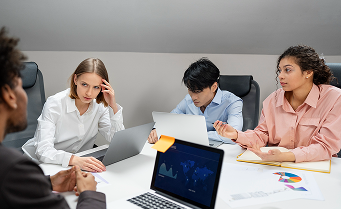
Simulations immerse learners in realistic scenarios where they take on roles, make decisions, and solve complex challenges while managing resources, ethics, and collaboration.

What is the Simulation Activity?

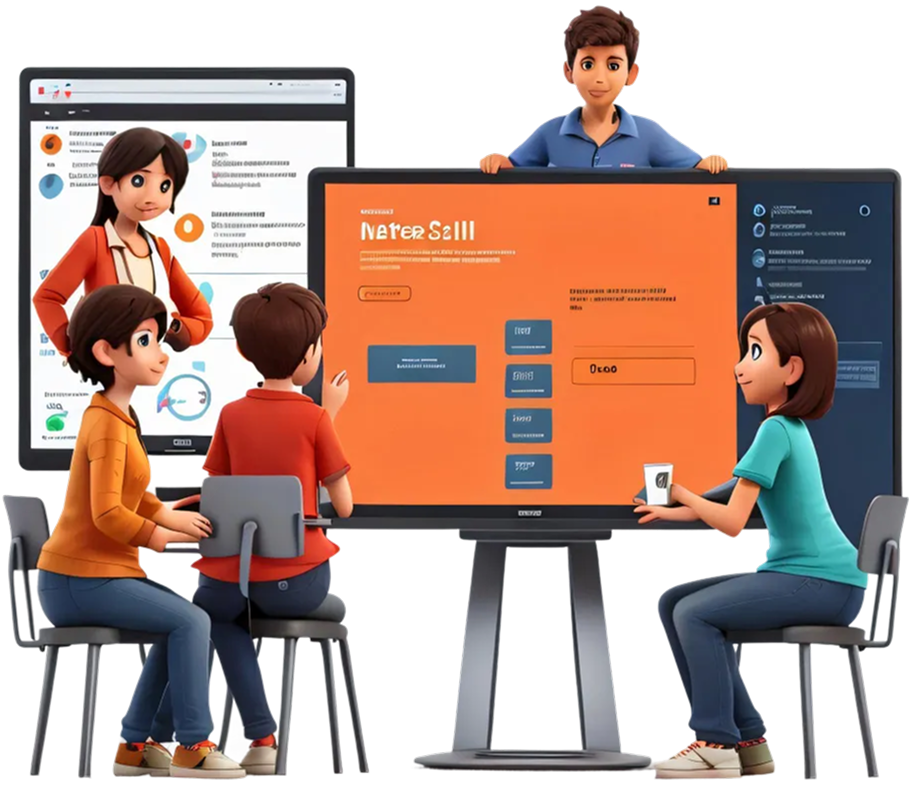
The Simulation activity places learners in real-world or hypothetical scenarios where they must make decisions, solve problems, and analyze outcomes. Depending on the chosen setup, simulations can be problem-solving, role-playing, crisis management, strategy planning, or ethical dilemma-based. Learners may work individually or in teams, taking on roles such as decision-makers, stakeholders, or experts.

Each simulation provides a structured scenario, resources, and objectives. For example, a group might manage an environmental disaster, negotiate in a business crisis, or analyze an ethical decision in healthcare. Participants are required to balance resources, consider multiple perspectives, and act within time limits.

By engaging in these immersive experiences, learners practice applying theory to practice, managing uncertainty, and reflecting on consequences, skills essential for both academic growth and professional success.

Benefits of the Activity

Overall, simulations turn abstract learning into active experiences where learners “learn by doing.”

Applies Knowledge to Practice

Bridges the gap between theoretical learning and real-world application.

Strengthens Decision-Making

Learners analyze complex situations and make informed choices.

Develops Critical Thinking

Encourages problem analysis and evaluation of alternative strategies.

Promotes Collaboration

Teams coordinate roles, share insights, and work toward common goals.

Enhances Communication Skills

Participants must explain, negotiate, and justify their decisions.

Builds Ethical Awareness

Simulations highlight dilemmas that require balanced and reflective judgment.

How YMetaconnect Supports It?

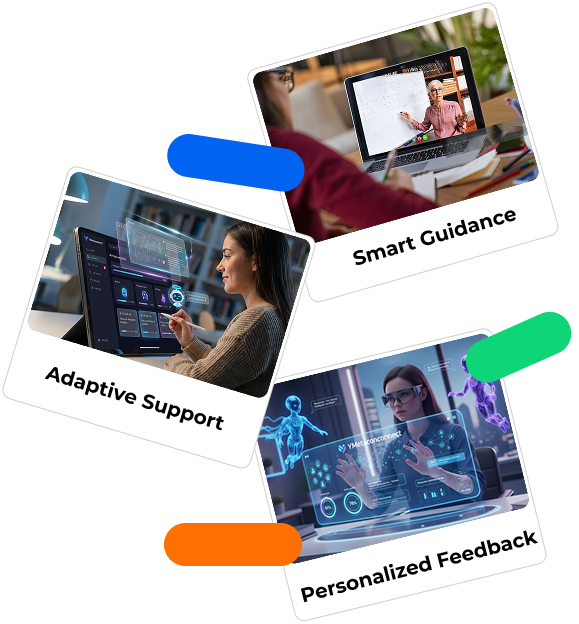
YMetaconnect makes simulation activities structured, engaging, and adaptable:

By combining immersive scenarios with AI-driven support, YMetaconnect ensures simulations deliver meaningful, skill-focused learning that mirrors real-life challenges.

AI-Generated Scenarios

Creates detailed, realistic cases tailored to subject and objectives.

Role Assignment Tools

Defines roles like leader, expert, or stakeholder for balanced participation.

Resource Management System

Simulates time, budget, or manpower constraints.

Customizable Rules & Objectives

Aligns with problem-solving, crisis management, or ethical goals.

Real-Time AI Feedback

Provides immediate or delayed insights on decisions made.

Performance Evaluation Rubrics

Tracks collaboration, decision quality, resource use, and innovation.

Reflection & Peer Review

Encourages learners to assess their strategies and outcomes.

Our Latest Blog

View all

Mind Map Ideas for Students to Support Creative Thinking and Better Memory

Learning can be confusing when there are a lot of notes that are difficult to remember. Many students will read the same page over and...

YMetaconnect

05 Feb 2026
Read More

Growth vs Development in Children: What’s the Real Difference?

The terms "growth" and "development" are often used together. Many parents believe that these terms are the same thing. They are not. Growth and development...

YMetaconnect

05 Feb 2026
Read More

Personality Development: Meaning, Types, and Key Factors

Why do two people act differently in the same situation? The answer to this question is often found in the development of personality. Personality affects...

YMetaconnect

05 Feb 2026
Read More

Co-Education in Schools: Positive and Negative Effects on Students

Have you ever wondered how learning alongside both boys and girls impacts students? Co-education is a common system in schools worldwide, but it comes with...

YMetaconnect

05 Feb 2026
Read More