Learning Methods for Smarter Learning | YMetaconnect

Learning Methods for Better Thinking

Explore proven learning methods designed to help learners understand concepts deeply, retain information longer, and apply knowledge with confidence. These methods support structured thinking, active learning, and skill development across subjects and learning levels.

Explore R-A-R Tool
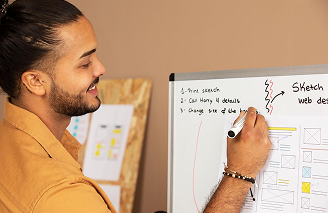
Structuring & Outlining
Concept Mapping
Graphic Organizers & Visualizations
Passage Mapping
Gridding
WWWWH
Worked Examples
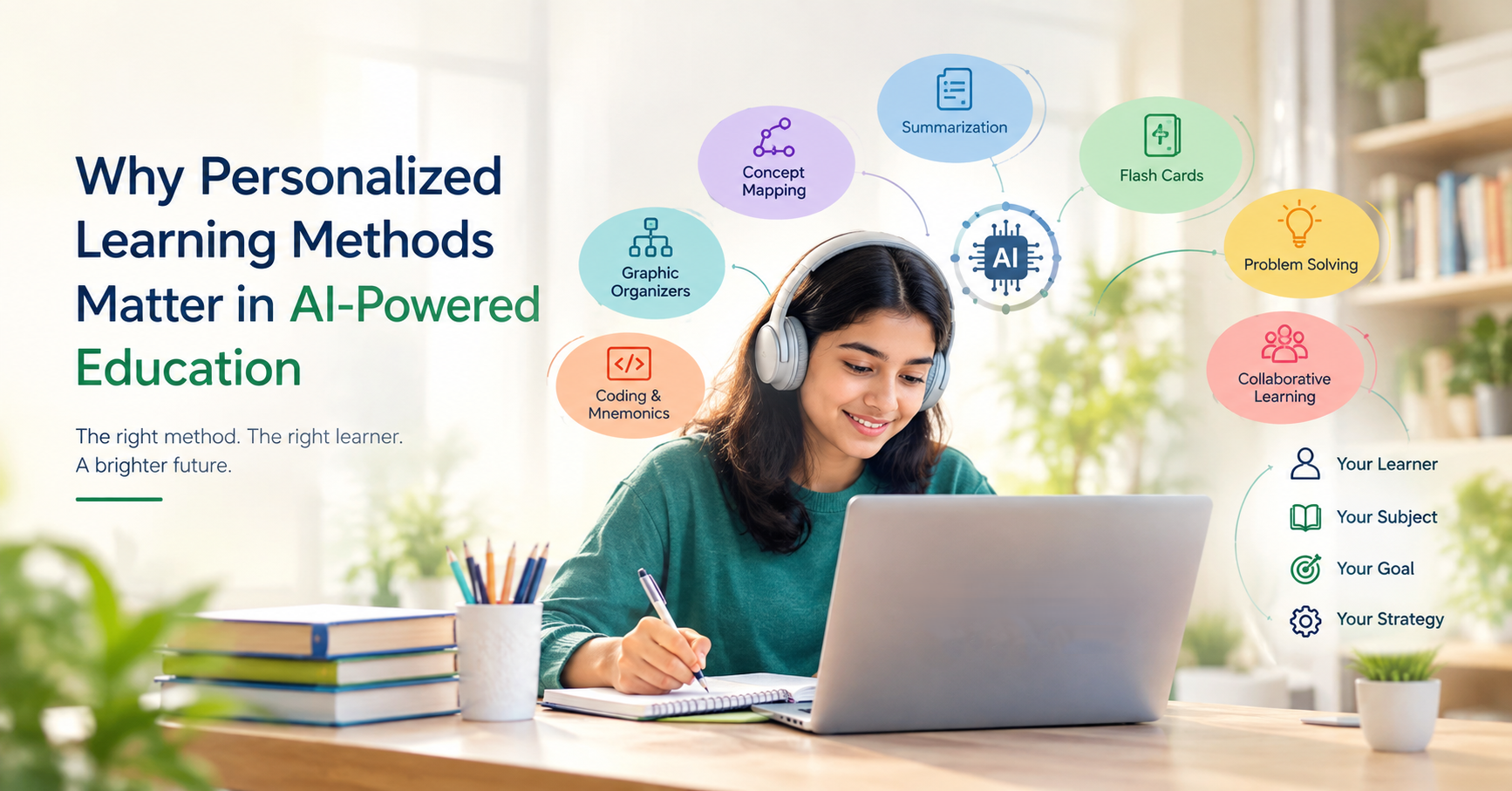
Coding & Mnemonics
Summarization
Modeling & Aloud Thinking

A Complete Set of Learning Methods for Effective Learning

The experiential learning methods below guide learners through challenges such as grasping ideas, remembering facts, organizing thoughts, and thinking effectively, forming a practical framework for better learning.

Structuring and Outlining

Break complex content into clear outlines so learners understand faster and remember better.

Learn More

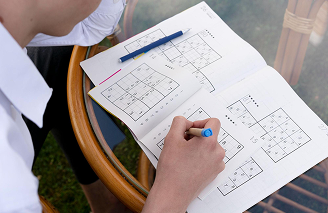
Gridding

Turn scattered information into visual patterns to spot connections and grasp ideas quickly.

Learn More

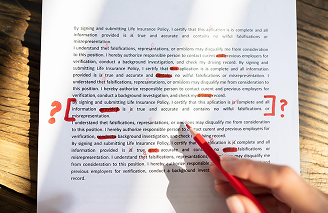
Passage Mapping

Divide content into sections to follow ideas clearly and recall information.

Learn More

Worked Examples

Learn step by step with solved examples to master concepts confidently.

Learn More

WWWWH

Ask what, why, when, where, and how to dig deeper and make learning last.

Learn More

Codings & Mnemonics

Use memory tricks to turn complex info into simple, easy-to-remember patterns.

Learn More

Concept Mapping

Visualize ideas and connections to make understanding faster and clearer.

Learn More

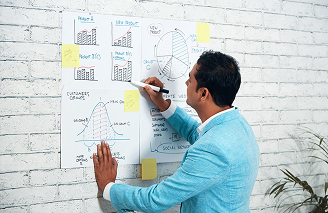
Graphic Organizers and Visualizations

Turn ideas into charts and diagrams to see patterns and understand concepts quickly.

Learn More

Modeling & Aloud Thinking

Watch strategies unfold and hear the thinking behind them to learn smarter.

Learn More

Summarization

Condense information into bite-sized points to focus, recall, and understand faster.

Learn More

Why Do These Learning Methods Work Together?

Each learning method helps learners comprehend information, remember information for longer periods, and apply it with confidence. Let’s explore why these active learning methods work together.

  • Building on Each Step

    Each step of the learning methods builds on what has already been learned. One concept leads to understanding others, so learning happens in an easy manner.

  • Understanding the Links Between Ideas

    Finding connections between ideas will help students relate new information and strengthen the effectiveness of other teaching learning methods.

  • Practicing and Applying

    Applying activity based learning methods in real-life scenarios allows the learner to recall and comprehend knowledge better, indicating the relevance of what the learner is undertaking.

  • Asking and Exploring

    Curiosity leads to understanding, and that's why questioning makes all other active learning methods more efficient. It helps to build links and add meaning to what students learn.

  • Making Learning Last

    Reviewing, summarizing, and organizing information ensures knowledge stays with learners. The activity-based learning method completes the system and makes learning effective.

Build stronger learning habits with structured, research-backed learning methods designed for real understanding

Start Learning Smarter Today

Frequently asked questions

Learning methods are ways or strategies that help you understand new ideas, remember them, and use them in real life. They guide you step by step, making learning simpler, clearer, and more enjoyable.

By breaking down complex ideas and showing how different points connect, learning methods make it easier to grasp concepts. They help you see the bigger picture and remember information for longer.

Yes! Learning methods can work for anyone, such as children, teens, or adults. They can be adapted so that learning stays clear, engaging, and effective, no matter your age or experience.

Definitely. Using more than one new teaching learning methods at a time helps you understand better and remember more. Combining approaches makes learning flexible and easier to apply in different situations.

Teaching learning methods are brought into lessons by organizing content clearly, using visuals, asking questions, giving examples step by step, and including activities that help students practice, explore, and remember what they learn.

Our Latest Blog

View all

Percentile vs Percentage: Key Differences Every Student Must Know

Generally, students get confused with words like ‘percentage’ and ‘percentile,’ especially when it comes to their results. Although both words are used to judge performance,...

YMetaconnect

03 Apr 2026
Read More

Differences Between Higher Secondary vs Senior Secondary

The difference between higher secondary and senior secondary is something with which many students and their parents face problems in understanding, especially when it comes...

YMetaconnect

02 Apr 2026
Read More

What is Higher Secondary Education?

Secondary education is vital for every student to comprehend the concept of higher secondary education as they begin this significant phase of their academic life....

YMetaconnect

01 Apr 2026
Read More

CBSE Grading System Explained: Benefits and Assessment Criteria

The role of the CBSE grading system is significant in the development of the current education system in India. In the conventional Indian education system,...

YMetaconnect

01 Apr 2026
Read More