28 January 2026
What are the Benefits of the Internet for Students?
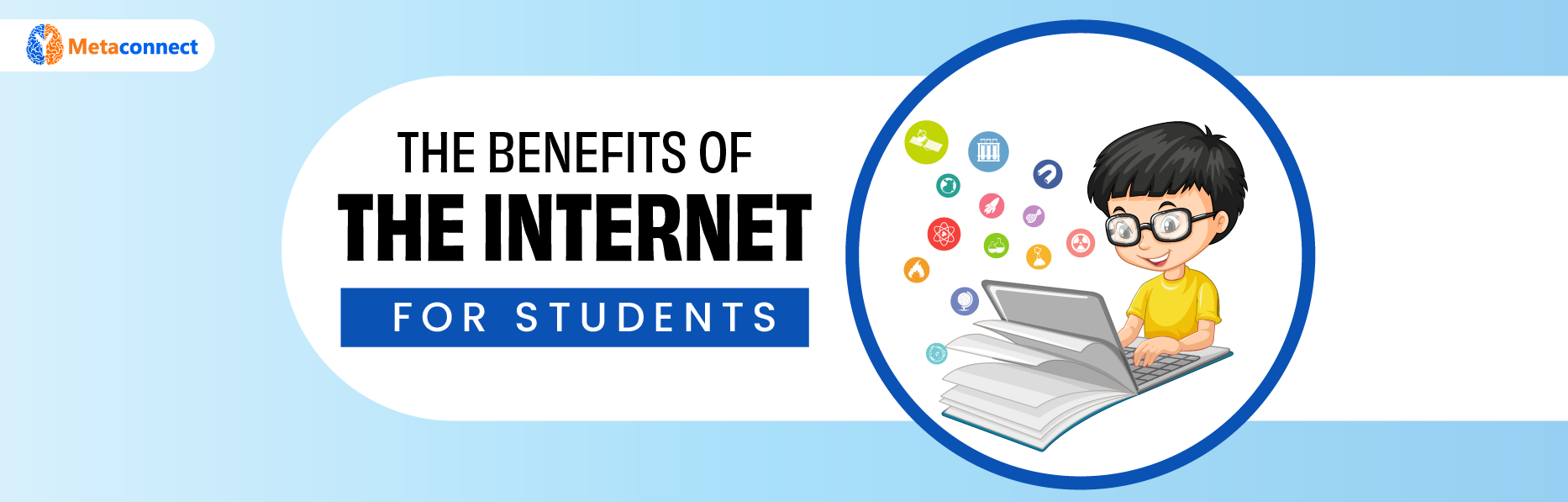
The internet has changed how students learn, think, and grow. Learning is no longer limited to classrooms or textbooks. With a phone or computer, students can access knowledge anytime and anywhere. One of the key benefits of internet for students is that learning becomes more open and flexible.
The internet offers quick answers, detailed explanations, and endless learning tools. It supports school studies and also builds life skills. This clearly shows the importance of internet in shaping modern education and daily learning habits.
From watching lessons to reading articles and practicing skills, students now have many ways to learn. These uses of internet for students allow learning to become more personal and comfortable. Students benefit from anytime access to educational information, which makes studying easier and less stressful.
To see its real value, it is important to understand how the internet supports student learning in meaningful ways.
How is the Internet Beneficial for Students?
Here are the benefits of the internet for students:
➢ Learning Beyond the Classroom
The internet helps students learn beyond the classroom by opening learning opportunities at home and outside school. One of the biggest advantages of internet for students is the freedom to explore topics independently. Tools like organizing thoughts while studying online help students structure ideas clearly and learn without pressure.
➢ Easy Access to Study Materials
One major benefits of internet for students is easy access to study material. Notes, videos, explanations, and examples are available for almost every subject. These online learning resources for students help clear doubts and make concepts easier to understand, especially through bite-sized learning through the internet that supports quick revision.
➢ Flexible Learning for Every Student
Flexible study options are among the strongest uses of internet for students. Students can pause, replay, and review lessons whenever needed. This flexibility supports different learning speeds and improves focus. It also supports self-paced ways students learn online, which highlights the importance of the internet in modern education.
➢ Active and Interactive Learning
The uses of the internet in education include quizzes, discussions, and video lessons. These activities promote active thinking instead of passive reading. This is one of the clear benefits of the internet because it improves engagement and understanding through interaction.
➢ Connecting With Teachers and Peers Worldwide
Another strong benefits of internet for students is global connection. Students can interact with teachers and peers through forums and study groups. Such collaborative learning experiences supported online encourage teamwork, communication, and idea sharing across borders.
When used properly, the internet becomes a powerful learning partner that supports growth, curiosity, and confidence.
Importance of the Internet for Students
The internet plays a major role in modern education. Its value goes beyond homework help and classroom learning. The uses of internet in education support knowledge, skills, and personal growth.
➢ Easy Access to Information
The internet provides instant access to information from multiple sources. Students are no longer limited to textbooks. This is one of the strongest benefits of internet because it improves clarity and depth of learning.
➢ Better Understanding of Subjects
Videos, animations, and real-life examples simplify complex topics. This helps in improving academic performance using the internet and keeps students interested in learning.
➢ Supports Self-Learning
The uses of internet in education encourages independent study. Students choose topics they enjoy and learn at their own pace. This reflects the growing importance of internet in building discipline and responsibility.
➢ Improves Research Skills
Students learn how to search, compare, and analyze information correctly. These skills are part of digital tools for easier learning and help in higher studies and real-life decisions.
➢ Helps in Exam Preparation
Online mock tests, practice questions, and revision guides help students prepare better. They understand exam patterns and manage time more effectively. This reduces exam stress.
➢ Builds Digital Skills
Using the internet helps students learn basic digital skills. These include typing, online communication, and using learning platforms. Such skills are useful in both education and future work.
➢ Encourages Creativity
Students can create presentations, videos, and projects using online platforms. This creativity shows how internet support for modern education goes beyond books.
➢ Supports Inclusive Learning
Students with different needs can find learning methods that suit them. Audio lessons, subtitles, and simple explanations help all learners. This creates equal learning opportunities.
➢ Connects Learning with Real Life
The internet shows how subjects apply in real life. News articles, case studies, and examples help students see the value of what they learn. This makes education more meaningful.
Overall, these benefits of internet for students help learners become confident, skilled, and independent.
Conclusion
The internet has become an essential part of student life. When used with purpose, it improves learning quality and builds strong skills. The benefits of internet for students include better understanding, flexibility, and personal growth.
It helps students understand subjects, explore interests, and prepare for future challenges. Learning becomes flexible, interactive, and student-focused.
The internet also supports independence, creativity, and confidence. Still, balance matters. Students must use the internet wisely and avoid distractions.
With proper guidance and discipline, the internet becomes a powerful educational tool. It does not replace teachers or classrooms.
Instead, it supports and strengthens them. For students who use it responsibly, the internet opens doors to knowledge, growth, and lifelong learning



 Jumpstart Journal
 R-A-R Activity
 Critical Thinking Exercise
 Picture Reflection Or Photo Caption
 Presentation
 Thematic Apperception Test (TAT)
 Flash Card
 Micro Learning
 Research Skills
 Workshop Report Presentation
 MCQ And Descriptive Questions
 Video Analysis Presentation
 Scenario Planning
 Problem Solving
 Trivia Quiz
 Flipped Classroom
 Generative Knowledge Interviewing
 Think-Pair-Share
 Fish Bowl Group Activity
 Jigsaw Method
 Simulation
 Peer Interview
 Role Play
 Debate
 Group Discussion
 Futurism And Trend Analysis
 Report Presentation
 Assignment Presentation
 Research Article Review Presentation
 Peer Teaching
 Industrial Visit Report Presentation
 Video Podcast
 Games
Games
 Business Games
 Collaborative Project
 Team Building
 Role Reversal
 Leadership Activity
 Pitch Deck
 Case Analysis Presentation


 Learner
 Mentor
 Organisation
 Learner
 Mentor
 Organisation