28 May 2026
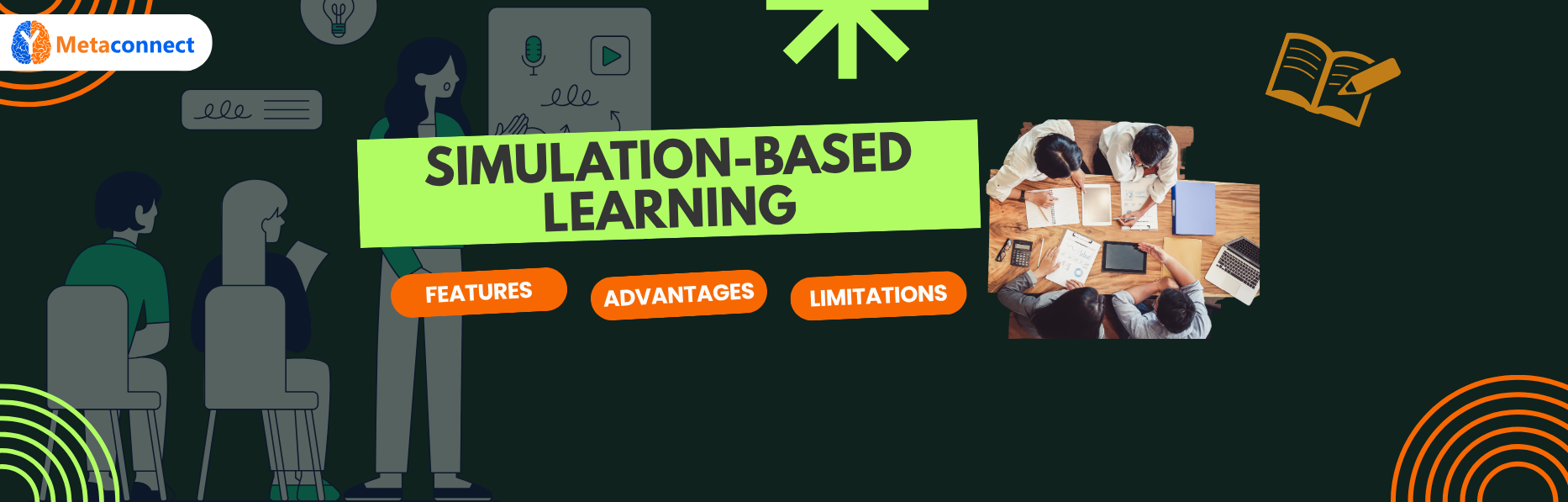
Simulation-Based Learning: Features, Advantages & Limitations
Have you ever wondered how pilots learn to handle emergencies before flying a real aircraft or how doctors practice surgeries without risking patient safety? The answer often lies in simulation based learning.
This learning approach creates realistic situations where learners can practice, make mistakes, and improve without facing real-world consequences. Over the years, simulation-based learning has become popular across schools, workplaces, healthcare, aviation, and technical industries.
It combines practical experience with interactive learning, making education more engaging and effective. As industries continue to focus on skill-based training, simulation based learning is becoming an important method for preparing people for real-life challenges confidently and safely.
Today, industries are placing greater importance on skill-based training, and simulation in education is becoming one of the most effective ways to prepare learners for real-life responsibilities confidently and safely.
What is Simulation-Based Learning?
Simulation based learning is a training method where learners gain knowledge and practical skills through realistic scenarios or virtual environments. Instead of only reading theory or listening to lectures, learners actively participate in situations that imitate real-world tasks and challenges.
This method can involve role-playing activities, computer-generated simulations, virtual reality tools, or physical training setups. The main goal is to provide hands-on experience in a controlled environment where mistakes become learning opportunities instead of costly failures.
The simulation method of teaching focuses heavily on experiential learning. Learners improve communication, decision-making, technical abilities, teamwork, and problem-solving by actively participating rather than passively observing.
Simulation-based learning focuses on improving decision-making, communication, technical skills, teamwork, and problem-solving abilities. Because of its interactive nature, it helps learners understand concepts more deeply while building confidence before they apply those skills in actual situations.
Many trainers also include practical simulation activity sessions to help learners experience real-time problem-solving in controlled settings.
Types of Simulation-Based Learning
Simulation-based learning comes in different forms depending on the industry, training goals, and learner needs. Each type provides unique learning experiences and practical exposure.
➢ Role-Playing Simulations
Role-playing simulations involve learners acting out real-life situations to improve communication, decision-making, and interpersonal skills. These simulations are widely used in business training, education, customer service, and leadership programs. Participants learn by responding to realistic scenarios and feedback.
➢ Virtual Reality Simulations
Virtual reality simulations use advanced technology to create immersive digital environments. Learners wear VR devices and interact with computer-generated situations that closely mimic real experiences. This type is commonly used in aviation, healthcare, engineering, and military training.
➢ Computer-Based Simulations
Computer-based simulations allow learners to practice tasks using software programs or online platforms. These simulations are cost-effective and accessible for remote learning. Organizations often combine these simulation programs with different learning methods to improve engagement, collaboration, and practical understanding during training sessions.
➢ Equipment-Based Simulations
Equipment-based simulations use physical models or machines to replicate real-world systems. Flight simulators and medical mannequins are common examples. Learners practice technical procedures and emergency handling skills without facing actual risks or operational damage.
Features of Simulation-Based Learning
Simulation-based learning includes several important features that make it different from traditional teaching methods. These features help learners gain practical understanding and improve real-world performance.
➢ Realistic Learning Environment
Simulation learning creates environments that closely resemble real-life situations. This realism helps learners understand practical challenges and prepares them for actual working conditions. It improves confidence and makes learning more meaningful and engaging.
➢ Interactive Learning Experience
Unlike passive classroom learning, simulations encourage active participation. Learners make decisions, solve problems, and interact with scenarios directly. This involvement increases attention, improves retention, and supports deeper understanding of concepts and processes.
➢ Safe Practice Space
One major feature of simulation-based learning is risk-free practice. Learners can make mistakes without causing real-world harm or financial loss. This safe environment encourages experimentation, learning from errors, and continuous improvement.
➢ Immediate Feedback and Evaluation
Most simulations provide instant feedback on learner performance. Trainers or systems can identify strengths, weaknesses, and areas for improvement quickly. Immediate evaluation helps learners correct mistakes faster and improve their skills more effectively.
Benefits of Simulation-Based Learning
Simulation-based learning offers several advantages for both learners and organizations. It improves skill development while creating a more practical and engaging educational experience.
➢ Improves Practical Skills
Simulation learning helps learners apply theoretical knowledge in realistic situations. This practical exposure improves technical abilities, communication, and problem-solving skills. Learners become better prepared for real-world responsibilities and workplace challenges.
➢ Boosts Confidence and Decision-Making
By practicing situations repeatedly, learners develop confidence in handling difficult tasks. Simulations also improve decision-making abilities because learners experience consequences and learn how to respond under pressure in controlled settings.
➢ Improves Knowledge Retention
Interactive and hands-on learning experiences are easier to remember than traditional lectures. Simulation-based learning increases engagement, which helps learners retain information for longer periods and apply it more effectively in practical situations.
➢ Reduces Training Risks and Costs
Organizations can train employees without exposing people, equipment, or systems to unnecessary risks. Simulations reduce costly mistakes during real operations while allowing repeated practice sessions without additional operational expenses or safety concerns.
This is one reason why many institutions continue exploring different types of simulated teaching to improve safety and efficiency in training programs.
Limitations of Simulation-Based Learning
Although simulation-based learning offers many advantages, it also has certain limitations. Understanding these challenges helps organizations and educators use this learning method more effectively and realistically.
➢ High Setup and Maintenance Costs
Advanced simulations often require expensive equipment, software, and technical support. Virtual reality systems, simulators, and specialized tools can increase training costs significantly, making them difficult for smaller institutions or businesses to afford.
➢ Limited Real-World Emotions
Even realistic simulations may not fully recreate the emotional pressure of actual situations. Learners know they are in a controlled environment, which can sometimes reduce the intensity and unpredictability found in real-life experiences.
➢ Dependence on Technology
Simulation-based learning heavily relies on technology and system performance. Technical failures, software issues, or poor internet connectivity can interrupt training sessions and reduce learning effectiveness, especially in remote or online environments.
➢ Requires Skilled Instructors
Effective simulation training often needs experienced instructors who can guide learners, evaluate performance, and provide meaningful feedback. Without proper guidance, learners may fail to fully understand mistakes or achieve desired learning outcomes.
Conclusion
Simulation-based learning has revolutionized modern education and training programs by making learning practical, interactive, and interesting. Simulation-based learning allows learners in sectors like healthcare, aviation, corporate training, and education to gain practical skills without being exposed to any danger.
It is useful due to its ability to boost confidence and decision-making and increase knowledge retention in learners. Nevertheless, factors like expensive nature, high reliance on technology, and lack of emotions need consideration before adopting simulation-based learning programs.
With technological advancements, simulation-based learning is poised for greater heights. For organizations seeking practical skills, simulation-based learning can offer them the best way forward.



 Jumpstart Journal
 R-A-R Activity
 Critical Thinking Exercise
 Picture Reflection Or Photo Caption
 Presentation
 Thematic Apperception Test (TAT)
 Flash Card
 Micro Learning
 Research Skills
 Workshop Report Presentation
 MCQ And Descriptive Questions
 Video Analysis Presentation
 Scenario Planning
 Problem Solving
 Trivia Quiz
 Flipped Classroom
 Generative Knowledge Interviewing
 Think-Pair-Share
 Fish Bowl Group Activity
 Jigsaw Method
 Simulation
 Peer Interview
 Role Play
 Debate
 Group Discussion
 Futurism And Trend Analysis
 Report Presentation
 Assignment Presentation
 Research Article Review Presentation
 Peer Teaching
 Industrial Visit Report Presentation
 Video Podcast
 Games
Games
 Business Games
 Collaborative Project
 Team Building
 Role Reversal
 Leadership Activity
 Pitch Deck
 Case Analysis Presentation


 Learner
 Mentor
 Organisation
 Learner
 Mentor
 Organisation