Individual Activities for Skill Development | YMetaconnect

Individual Learning Activities

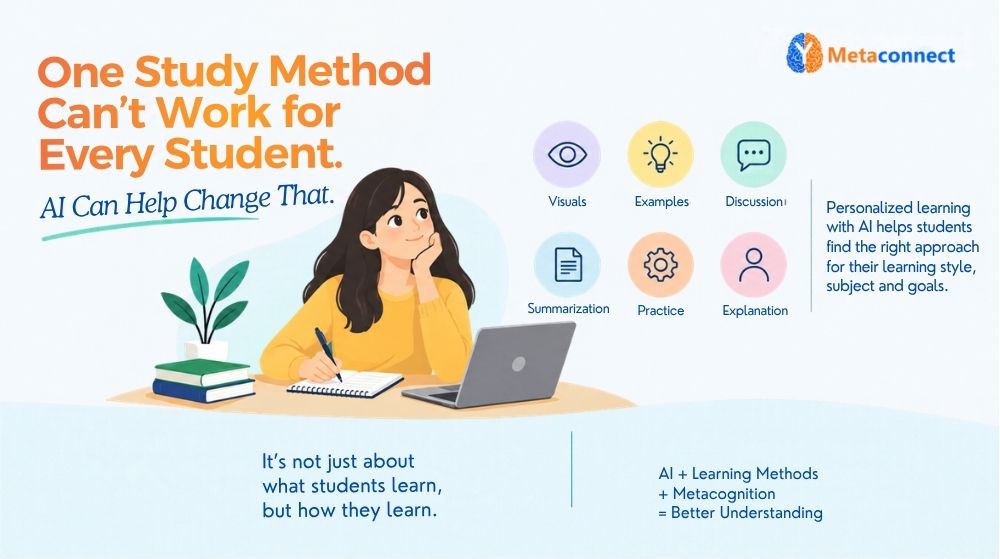
Explore individual activities that guide learners toward deeper reflection, stronger self-awareness, and confident independent thinking. These independent learning activities nurture mindful learning and lifelong personal growth.

A Comprehensive Collection of Individual Activities for Reflective Learning

Self-learning activities below enable the learner to reflect upon the experience, observe learning patterns, and develop their learning further by creating a learning framework for continuous improvement.

Build strong learning habits with student-centric learning activities that guide reflection, thinking, and independent learning.

Start Learning Smarter Today

Why Do These Learning Methods Work Together?

Self Learning activities support self-reflection, awareness, and independent thinking. Let’s explore how these individual problem-solving activities work together to strengthen personal learning.

  • Offers a Clear Learning Path

    Each activity connects naturally to the next. Learners reflect on what they know, think more deeply about ideas, and then apply their learning. This clear path makes learning easier to follow and more meaningful.

  • Reflection Makes Thinking Stronger

    Reflection helps learners pause and understand their thoughts. When students notice their strengths and gaps, they think more clearly. This leads to better problem-solving and fewer repeated mistakes.

  • Applying Learning Makes It Stick

    When learners use ideas in real tasks, learning becomes clearer. Individual activities for skill development help knowledge last longer. It turns lessons into skills that can be used again.

  • Support Independent Learning

    Plays a different role, but they work best together. Reflection supports thinking, and thinking leads to better action. This cycle helps learners take charge of learning.

  • Keep Learning Balanced

    These solo learning activities let learners move at their own pace. Learning feels calm and steady instead of stressful. Over time, this balance keeps learners motivated.

Frequently Asked Questions

Individual activities are learning tasks you do on your own. They help you reflect, think clearly, and better understand topics. You learn at your own pace while building focus, confidence, and independent learning skills.

They help learners think rather than just memorize. By reflecting, solving problems, and applying ideas, students understand concepts deeply. This makes learning meaningful, long-lasting, and easier to use in exams and real life.

Self-paced learning activities encourage learners to pause, think, and apply what they study. When learning is active, ideas become clearer. This process helps learners remember better and feel more confident using their knowledge.

Yes. Individual activities are designed to guide learners step by step. While teachers or mentors can support when needed, students can complete most activities independently and still gain strong learning benefits.

Yes. Individual activities work across subjects like science, math, languages, and social studies. They focus on how you learn, not just what you learn, making them useful at different levels and stages.

Our Latest Blog

View all

Critical Thinking Examples One Must Know as a Student

Imagine two students preparing for the same exam. Both study the same topics, spend the same time, and follow the same notes. But when the...

YMetaconnect

08 May 2026
Read More

Cooperative Learning vs Collaborative Learning

Have you ever experienced being in a group project with one member doing everything, some members doing little, and others doing nothing at all? It’s...

YMetaconnect

07 May 2026
Read More

How to Get Good Marks in Exams?

Exams often create stress for students, but the truth is, they don’t have to. When you follow the right approach, exams become much easier to...

YMetaconnect

28 Apr 2026
Read More

Difference Between Knowledge and Information

You read something online. You understand the words. You move on. It feels like you’ve learned something. But a few hours later, if someone asks...

YMetaconnect

28 Apr 2026
Read More