22 April 2026
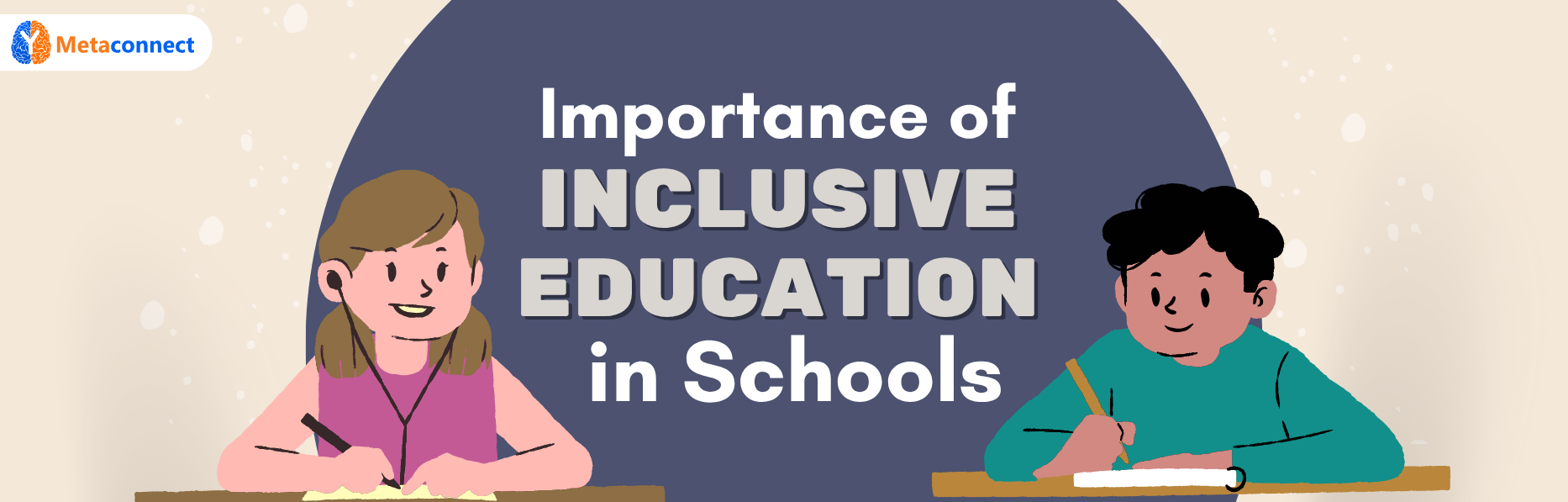
Importance of Inclusive Education in Schools
Walk into any classroom, and you will see it right away. Every child learns differently. One student picks up ideas fast. Another needs more time. One likes to speak and ask questions. Another understands better through pictures, examples, or practice.
That is what makes teaching so important, but also so challenging.
For a long time, schools were built around one fixed way of learning. The problem is simple. Not every child can learn well in one narrow system. When that happens, many students start to feel left out, confused, or less capable than they really are.
This is why inclusive education in India matters so much today. It is not just about allowing all students into the same classroom. It is about making sure each child gets a fair chance to take part, learn, and grow.
Before we look at why this matters so much, let’s first understand what inclusive education really means in day-to-day learning.
What Is Inclusive Education?
The easiest way to understand the inclusive education meaning is this: all children learn together in the same classroom, with the support they need to do well. That includes students with disabilities, learning differences, social challenges, or language barriers. Instead of separating children, the school adjusts its teaching so more students can learn in the same space.
Once this basic idea becomes clear, the next step is to look at the values that hold it together.
Key Concepts of Inclusive Education
Inclusive education is not one action or one school rule. It works because of a few simple ideas that guide how learning should happen.
➣ Equal Access Comes First
Every child deserves the chance to sit in a classroom, understand the lesson, and take part in school life. This sounds basic, but in real life, many students still face barriers. A classroom becomes inclusive only when access is real, not just written in policy.
➣ Differences Are Normal, Not a Problem
Children do not all think, speak, read, or respond in the same way. That is not a weakness in the classroom. It is part of what a classroom already is. Once schools accept this, teaching becomes more thoughtful and more effective.
➣ Support Should Match Student Needs
Not every student needs the same kind of help. One child may need extra reading support. Another may need visual explanations. Another may need more time to respond. Inclusion works best when support is practical and flexible.
➣ Participation Matters as Much as Presence
A child is not truly included just because they are physically sitting in class. Real inclusion means they can join discussions, complete tasks, ask questions, and feel that they belong.
These ideas shape daily learning in quiet but powerful ways. And once they are in place, it becomes easier to see why inclusive education is not just helpful, but necessary.
Why Inclusive Education Matters Today?
Schools today are expected to do more than help students pass exams. They are also expected to prepare them for life with other people. That means teaching children how to listen, adapt, respect differences, and work together. This is where the importance of inclusive education becomes clear.
➣ Builds Empathy Early
When children learn beside classmates with different needs and strengths, they grow up with a wider view of the world. They become less judgmental and more understanding. That lesson stays with them far beyond school.
➣ Helps Students Feel Seen
Children learn better when they feel safe, valued, and noticed. A classroom that makes room for different learning styles tells students that they matter. That feeling can change how a child sees school and how they see themselves.
➣ Reduces the Habit of Labeling
Too often, students are quickly labeled as weak, slow, difficult, or not good enough. Inclusive learning pushes back against that mindset. It asks teachers to look deeper and find better ways to help.
➣ Reflects Real Life
The world outside school is mixed. People work, live, and solve problems with others who are not exactly like them. Classrooms should reflect that truth. In that sense, inclusive education in India is not just about school reform. It is about raising children for real communities and real workplaces.
That brings us to the practical side. If this approach matters so much, how does it actually work inside a school?
Inclusive Education in Schools: How It Works?
At first, inclusion may sound like a big idea that is hard to apply. But in practice, it often begins with small classroom changes. The goal is not to make learning complicated. The goal is to make learning reachable.
- Teachers may explain one topic in different ways. A lesson can include spoken explanation, visual material, examples, and class discussion. This gives more students a real chance to understand. That is one of the most useful inclusive classroom strategies because it supports learners without making anyone feel singled out.
- Group activities also help. When students work together, they learn from each other, not just from the textbook. This improves understanding and also builds social comfort. In the same way, flexible seating, extra response time, simple worksheets, and support staff can make a big difference.
- Good inclusion also depends on teacher awareness. A teacher who notices where students get stuck can adjust more quickly. Schools cannot build inclusion through slogans alone. They need tools, planning, and patience, especially when dealing with challenges of inclusive education that often appear in real classrooms.
- When done well, inclusive education in schools does not lower standards. It improves access. And once students feel included, the results often show up in more than one area of growth.
Benefits of Inclusive Learning for Students
The strongest classrooms are not always the quietest or the most controlled. They are the ones where students feel able to learn, speak, try, and improve. That is where the real benefits of inclusive learning begin to show.
Key benefits include the following:
➢ Students Gain Confidence
When children are supported instead of pushed aside, they begin to trust their own ability. That confidence affects class participation, effort, and emotional growth.
➢ Communication Improves
Inclusive classrooms create more chances for students to listen, explain, ask, and respond. These habits improve communication in a natural way.
➢ Peer Learning Becomes Stronger
Students often learn well from one another. A child who understands a topic can explain it simply to a classmate. That exchange supports both students at once.
➢ School Feels More Welcoming
A child who feels accepted is more likely to attend, engage, and stay connected to learning. That matters a lot, especially in systems still working to strengthen inclusive education in India.
➢ Growth Becomes Broader
Students do not just develop in academics. They also build patience, respect, social understanding, and teamwork. These are life skills, not just school skills.
At this point, one common question comes up. How is this different from special education? The two are related, but they are not the same.
Special Education vs Inclusive Education
The debate around special education vs inclusive education is often confusing because both aim to support students. The difference lies in the setting and the method.
Special education usually provides support in separate spaces or through separate systems designed for specific needs. Inclusive education tries to keep students in the same learning environment and adapt the teaching inside that shared classroom.
This does not mean one model is always right and the other is always wrong. What matters is the child’s learning needs and the support available. Still, the growing push for inclusive education in India shows that more schools want to build common classrooms that work for more learners.
That shift is important because it moves education away from separation and closer to belonging. And that is where the real value of inclusion lives.
Conclusion
A good school should not only teach lessons. It should also make children feel that they belong there. That is why inclusion matters so deeply. It gives more students the chance to learn with dignity, take part with confidence, and grow without feeling pushed to the side.
The path is not always easy. Schools need trained teachers, better support systems, and stronger planning. Still, the direction is clear. Inclusive education in India is becoming a more meaningful part of how learning is discussed and improved. That is a good sign.
When classrooms become more open, students do more than score better. They learn how to respect others, understand differences, and build real confidence. That kind of learning lasts much longer than any test result. If schools want stronger classrooms in the years ahead, inclusion should not sit at the edge of the conversation. It should be part of the center.



 Jumpstart Journal
 R-A-R Activity
 Critical Thinking Exercise
 Picture Reflection Or Photo Caption
 Presentation
 Thematic Apperception Test (TAT)
 Flash Card
 Micro Learning
 Research Skills
 Workshop Report Presentation
 MCQ And Descriptive Questions
 Video Analysis Presentation
 Scenario Planning
 Problem Solving
 Trivia Quiz
 Flipped Classroom
 Generative Knowledge Interviewing
 Think-Pair-Share
 Fish Bowl Group Activity
 Jigsaw Method
 Simulation
 Peer Interview
 Role Play
 Debate
 Group Discussion
 Futurism And Trend Analysis
 Report Presentation
 Assignment Presentation
 Research Article Review Presentation
 Peer Teaching
 Industrial Visit Report Presentation
 Video Podcast
 Games
Games
 Business Games
 Collaborative Project
 Team Building
 Role Reversal
 Leadership Activity
 Pitch Deck
 Case Analysis Presentation


 Learner
 Mentor
 Organisation
 Learner
 Mentor
 Organisation