11 March 2026
Essential Teaching Skills Every Teacher Must Have in 2026
Teaching has changed much over the past ten years. Today, the classroom environment has more diversity, and technology has become an integral part of learning. Moreover, students are more inquisitive and open with their expressions.
Modern education also highlights the importance of teaching skills for teachers to handle diverse classrooms effectively. With the changing dynamics of the classroom, the role of the teacher has also undergone a significant change. They need not just be knowledgeable in the subjects but also be good communicators and ensure the classroom environment is comfortable.
This is where teaching communication skills become essential for building strong relationships with students.
In this blog, we will explore seven essential teaching skills every teacher requires to build engaging classrooms and support student success. Let’s understand this in more detail.
7 Essential Teaching Skills Every Teacher Needs
Modern classrooms require more than just subject matter expertise. Educators need to develop a set of practical skills to effectively engage students, manage the teaching environment, and respond to change.
Developing teaching skills for teachers helps educators create meaningful and productive classroom experiences.
Here are seven teaching skills that are essential for teachers’ success in a modern learning environment:
➢ Strong Communication Skills
Good communication is the key to successful teaching. Students learn more effectively if they are presented with simple and well-structured explanations. However, communication is not just about talking effectively in class. Clear explanations also depend on a teacher’s explanation skill, which helps students understand complex topics more easily.
Teachers have to listen attentively to students, offer constructive criticism, and clarify concepts in various ways if necessary. They can use multiple channels of communication, including class discussions, digital learning tools, and parent communication sites.
Example:
If students are not able to grasp a concept of science, a teacher may tell a story about it, draw a diagram of it, and then ask students to describe it in their own words.
Why this skill matters
- Improves student understanding.
- Builds trust between teachers and students.
- Strengthens communication with parents.
➢ Adaptability and Flexible Teaching Methods
Rigidity in lesson plans is no longer very practical in modern classrooms. Students may not learn at the same pace, and unexpected events may happen during class. Teachers must be able to adapt to situations.
Flexible teaching helps educators to slow down when needed or to delve deeper when curiosity increases. These flexible approaches also reflect different teaching styles that help teachers connect with students in unique ways.
Example:
If a group activity is proving difficult for most of the class, a teacher may decide to stop the activity altogether, explain it through images, and guide the discussion before proceeding with it.
Why this skill matters
- Supports different learning speeds.
- Helps teachers manage hybrid or blended learning.
- Encourages creative problem-solving in real time.
➢ Digital Literacy and Technology Integration
Technology is now part of education. This includes things like online quizzes, virtual classrooms, and artificial intelligence-based learning tools. The teachers should be comfortable using it.
Strong teaching skills for teachers also include understanding how technology can support learning without distracting students. It should be used in such a way that it does not divert our attention from our studies. The idea is to use technology to make things more understandable and simpler.
Example:
A teacher can use an online quiz tool after teaching students. The immediate results can show which concepts students have understood and which they have not.
Why this skill matters
- Increases student engagement.
- Helps teachers track learning progress.
- Prepares students for a digital future.
➢ Emotional Intelligence and Empathy
Students are able to learn better in an environment where they feel safe and encouraged. Emotional intelligence helps the teacher understand students’ feelings, manage class tension, and establish a respectful class environment.
Empathy plays a major role when teaching children, as students often need emotional support along with academic guidance.
Example:
A normally active student suddenly becomes quiet, and the teacher may choose to speak to the student individually, listen to them, and even provide them with academic support.
Why this skill matters
- Improves classroom behavior.
- Supports student mental well-being.
- Strengthens teacher-student relationships.
➢ Classroom Management and Smart Assessment
A well-managed classroom provides an effective learning environment. Good classroom management is not about control; it is about clarity, fairness, and consistency. Effective management also reflects the overall teaching ability of an educator in handling different classroom situations.
Teachers must assess student learning regularly through simple tests that promote progress instead of imposing pressure.
Example:
At the start of the school year, a teacher works with students to establish classroom rules and uses simple tests or discussions to assess student progress during lessons.
Why this skill matters
- Reduces classroom disruptions.
- Improves learning outcomes.
- Encourages students to take responsibility.
➢ Collaboration and Teamwork Among Educators
Teaching is no longer an isolated profession. Modern-day educators often collaborate with other teachers to improve their methods of imparting knowledge.
Through collaboration, teachers can strengthen teaching skills for teachers and share strategies that improve student learning. Teachers may also be able to integrate various subjects to provide a better learning experience.
Example:
A teacher of languages and a teacher of social studies may collaborate to design a project where students have to research historical events and present them through storytelling or presentations.
Why this skill matters
- Encourages professional growth.
- Creates stronger curriculum connections.
- Helps teachers share effective teaching practices.
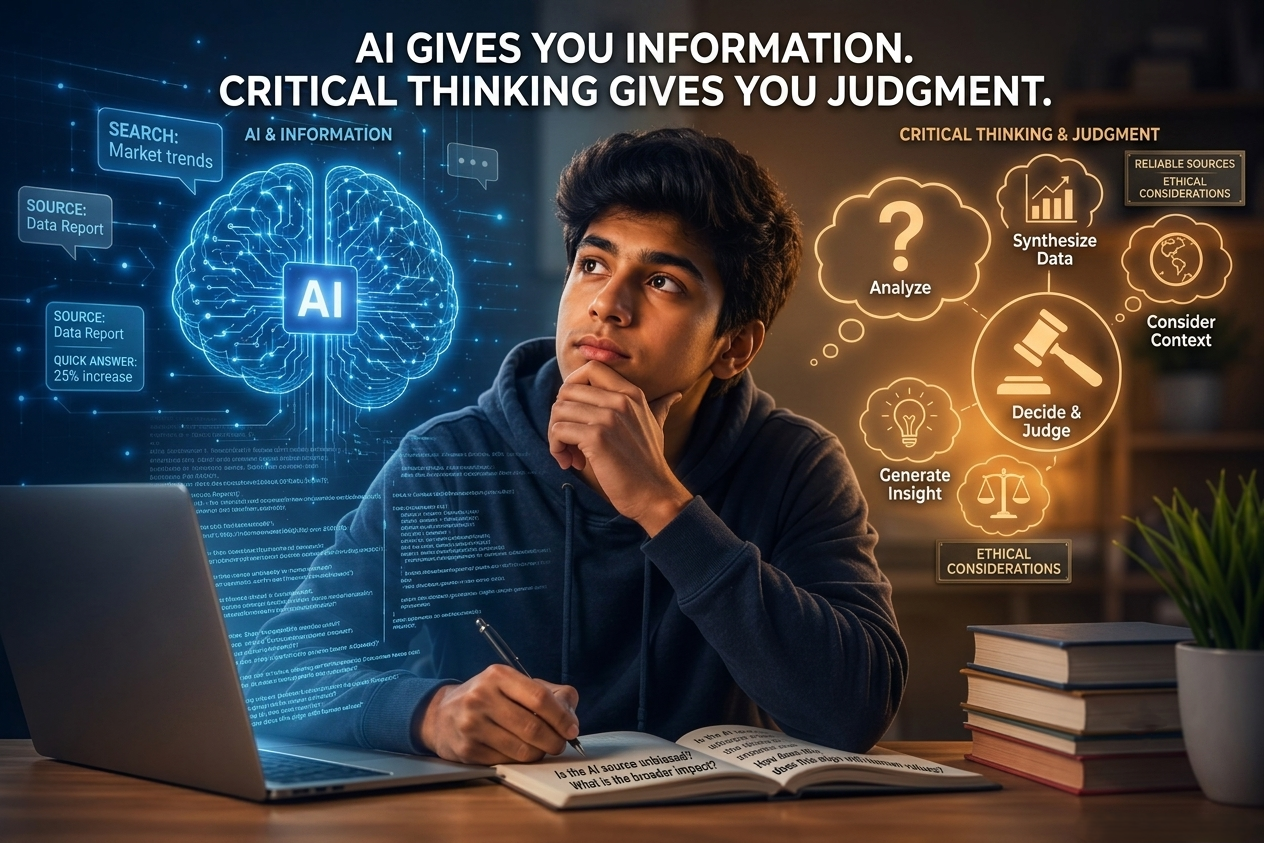
➢ Critical Thinking and Lifelong Learning
Great teachers never stop learning. Learning is constantly changing in the field of education, and it is essential for teachers to always be curious and willing to learn and improve.
Some of the ways in which teachers can always be learning and improving include reflecting on methods of teaching, learning new ideas, and seeking student feedback. Continuous improvement helps educators strengthen their teaching skills for teachers and stay relevant in modern classrooms.
Example:
A teacher may identify low student engagement in a particular lesson and may look for ways to change it by making it more interactive.
Why this skill matters
- Keeps teaching methods relevant.
- Encourages innovation in the classroom.
- Inspires students to become lifelong learners.
Note: Continuous improvement helps educators strengthen their teaching skills and stay relevant in modern classrooms. One reason for this shift is the growing focus on metacognitive learning, where students reflect on how they think and learn. This is one of the key reasons many educators are adopting such approaches, as explained in why educators are switching to metacognitive tools like YMetaconnect.
Conclusion
Teaching is not all about teaching students from a book. A teacher requires a number of skills, such as communication skills, patience, flexibility, and basic computer skills, to engage students and provide them with maximum learning benefits.
Developing strong teaching skills for teachers allows educators to create a classroom that supports both academic and personal growth.
When a teacher continues to develop these skills, he or she provides students with a learning environment that is curious, creative, and motivating.
Though education is a changing field, a teacher's role in it is and will remain significant. When a teacher begins a class effectively, the skill of introducing a lesson plays an important role in capturing students’ attention and setting the tone for learning.



 Jumpstart Journal
 R-A-R Activity
 Critical Thinking Exercise
 Picture Reflection Or Photo Caption
 Presentation
 Thematic Apperception Test (TAT)
 Flash Card
 Micro Learning
 Research Skills
 Workshop Report Presentation
 MCQ And Descriptive Questions
 Video Analysis Presentation
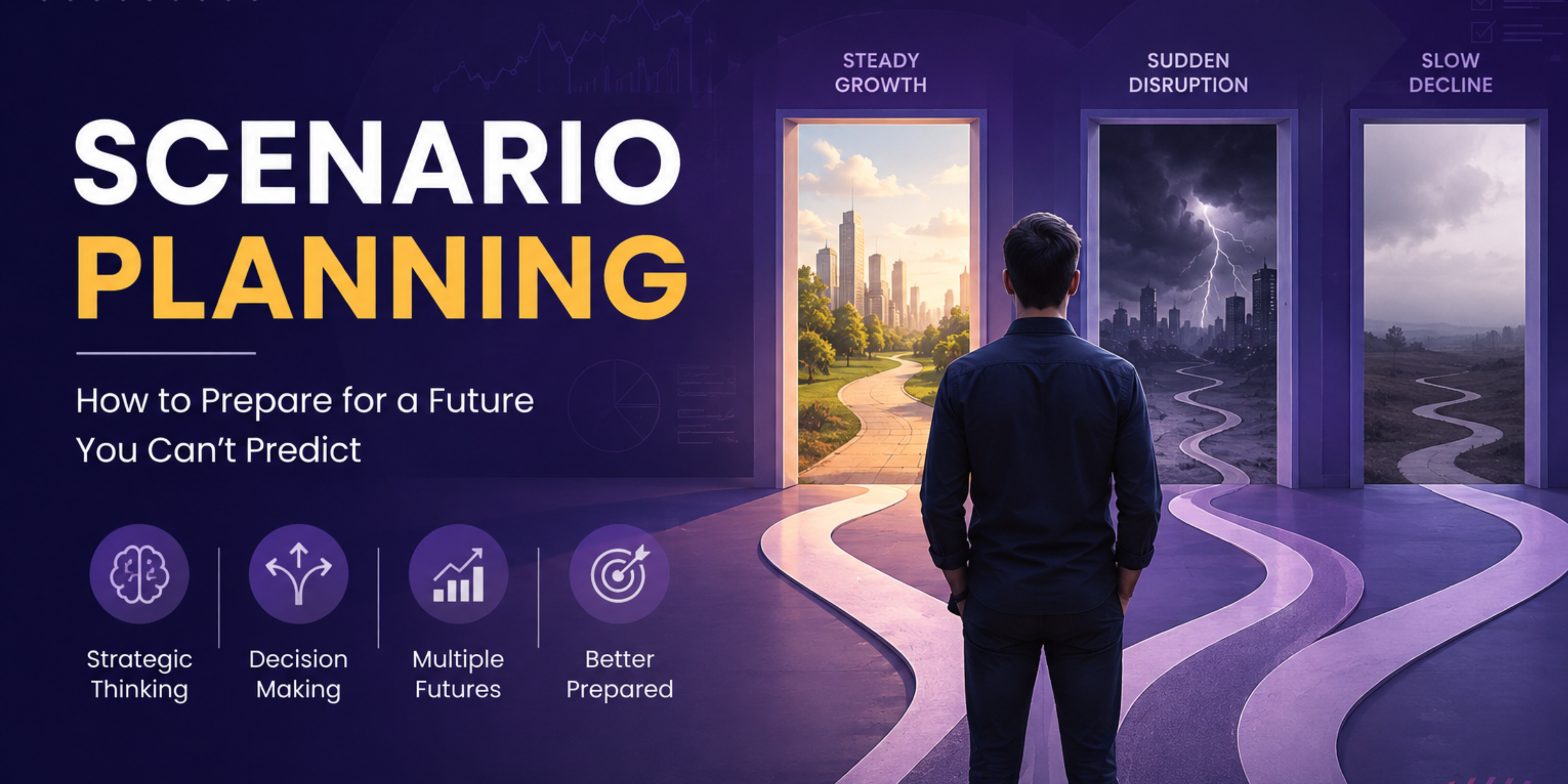
 Scenario Planning
 Problem Solving
 Trivia Quiz
 Flipped Classroom
 Generative Knowledge Interviewing
 Think-Pair-Share
 Fish Bowl Group Activity
 Jigsaw Method
 Simulation
 Peer Interview
 Role Play
 Debate
 Group Discussion
 Futurism And Trend Analysis
 Report Presentation
 Assignment Presentation
 Research Article Review Presentation
 Peer Teaching
 Industrial Visit Report Presentation
 Video Podcast
 Games
Games
 Business Games
 Collaborative Project
 Team Building
 Role Reversal
 Leadership Activity
 Pitch Deck
 Case Analysis Presentation


 Learner
 Mentor
 Organisation
 Learner
 Mentor
 Organisation