02 November 2026

Ymeta content forCollaborative learning through group activities

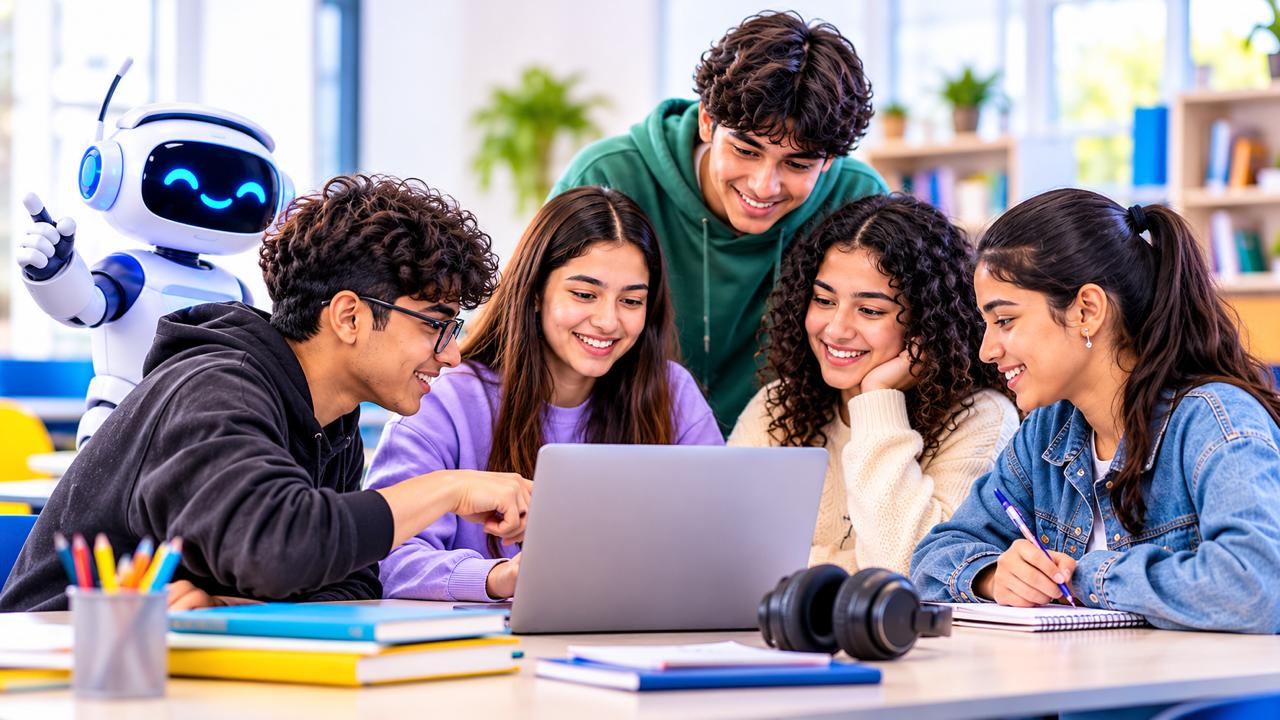
Collaborative learning is an educational approach in which students work together in small groups to achieve a common learning goal. Instead of learning only from a teacher or textbook, students share ideas, discuss problems, exchange knowledge, and learn from each other.


At YMeta, we believe that learning becomes more meaningful when learners work together, share ideas, and explore solutions as a team. Collaborative learning through group activities encourages students to participate actively, develop new perspectives, and apply their knowledge to real-world situations.


What Is Collaborative Learning?

Collaborative learning is an approach in which learners work in small groups to achieve shared learning goals. Through discussions, brainstorming, problem-solving tasks, projects, and peer learning, students learn from one another while building a deeper understanding of concepts.

Rather than simply receiving information, learners become active participants in their educational journey.


How RAR AI Supports Collaborative Learning.

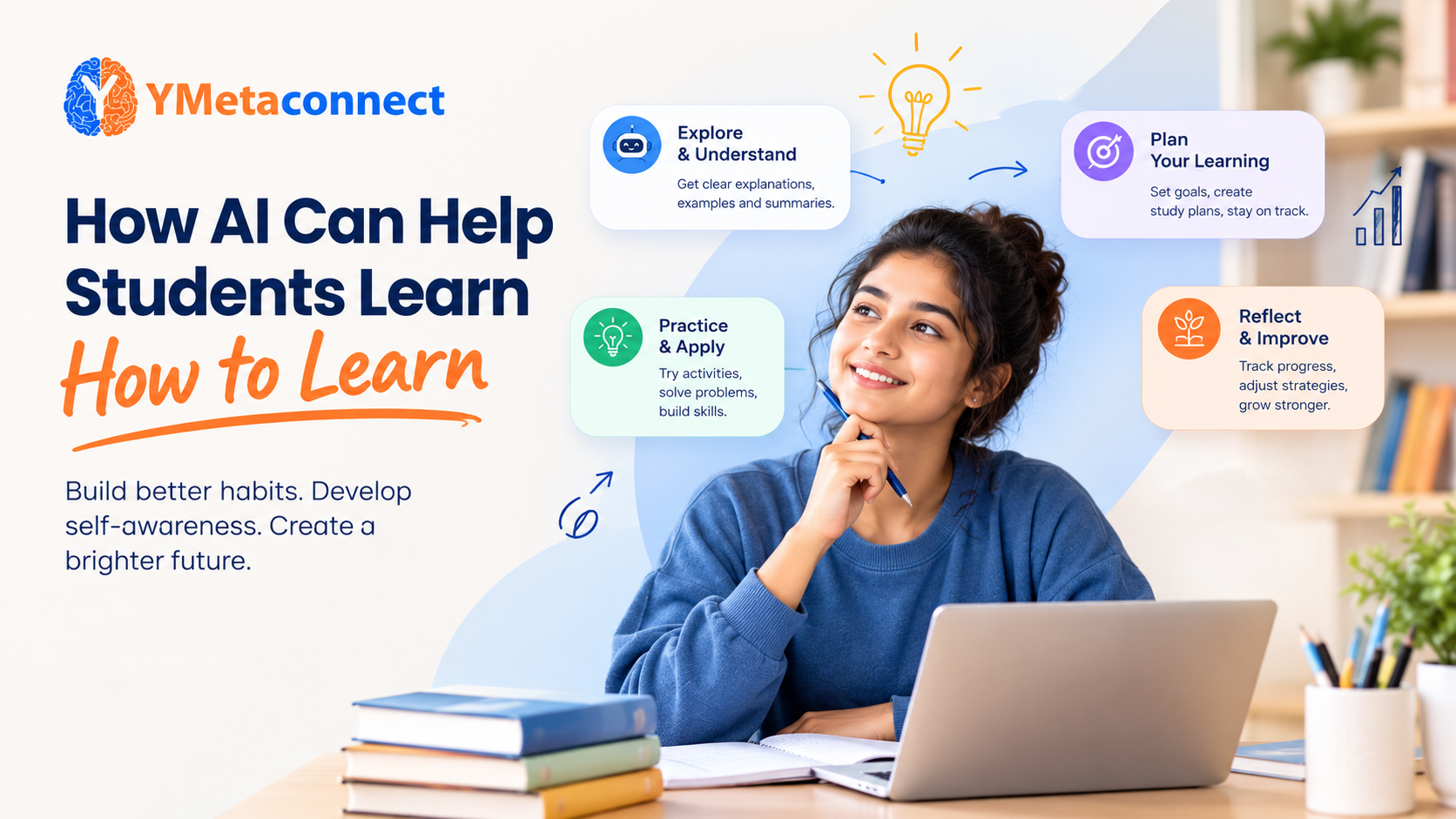
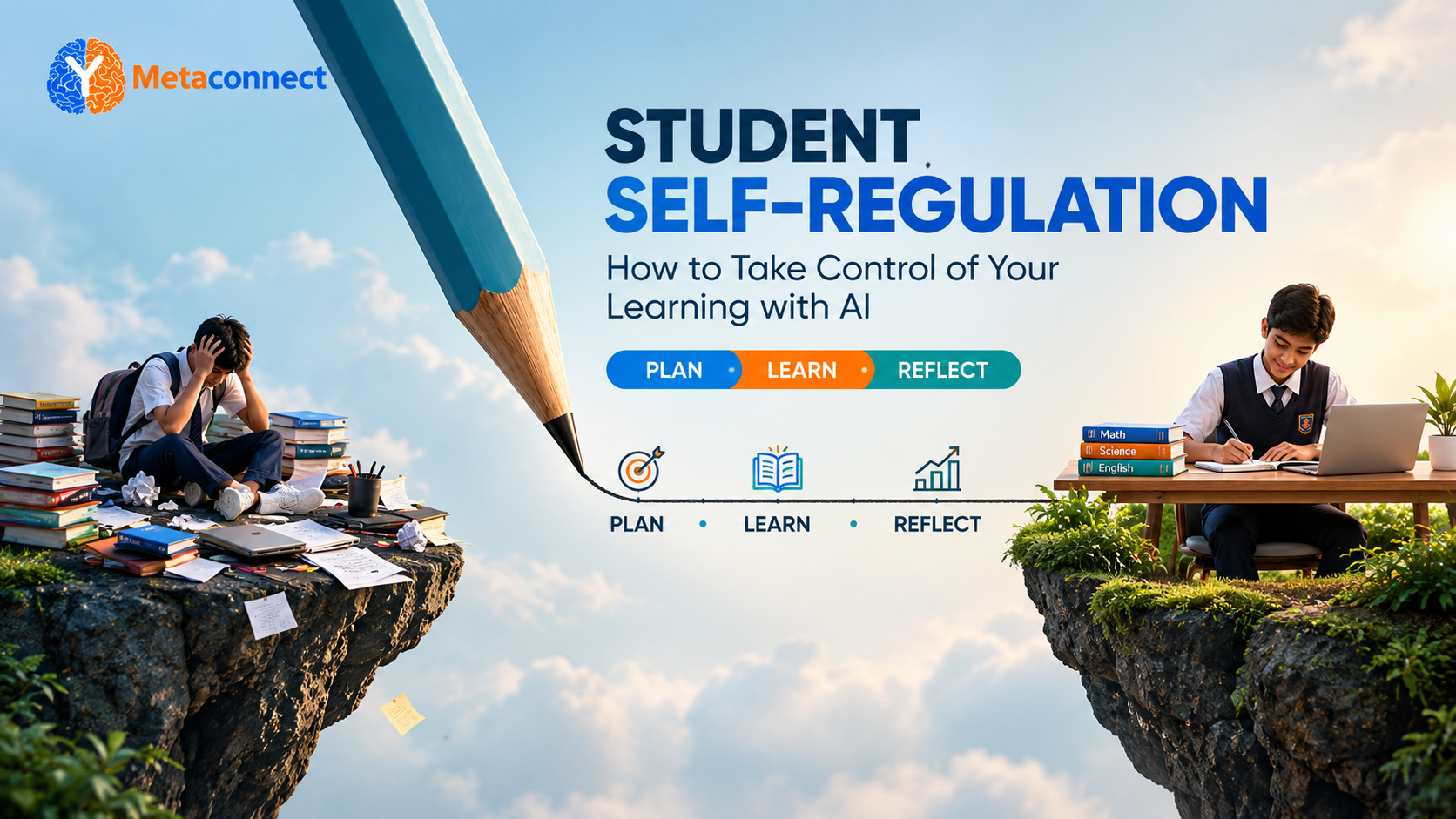
The RAR AI Learning Tool (Review–Action–Reflection) supports a structured learning process that helps learners understand concepts, put knowledge into practice, and reflect on their progress.


  • Review: Learners revisit key concepts, share what they know, and identify areas that need further understanding.
  • Action: Teams participate in group discussions, collaborative projects, practical challenges, and problem-solving activities.
  • Reflection: Learners reflect on their contributions, exchange feedback, and consider how they can improve their understanding and teamwork.
  • By connecting these stages with learners’ individual preferences and learning needs, RAR AI can support more personalized and meaningful learning experiences.


Benefits of Group Activities

1. Better Communication

Group discussions help learners express ideas clearly, listen actively, and respect different viewpoints.


2. Critical Thinking and Problem-Solving

Working together encourages students to analyze information, evaluate ideas, and explore creative solutions.


3. Teamwork and Collaboration

Shared tasks help learners understand responsibility, cooperation, leadership, and the importance of achieving common goals.


4. Deeper Understanding

Explaining concepts to peers and learning from different perspectives can strengthen understanding and improve knowledge retention.


5. Confidence and Participation

A supportive group environment gives learners opportunities to contribute, ask questions, and build confidence.


6. Essential 21st-Century Skills

Collaborative activities help learners practise communication, creativity, critical thinking, adaptability, and digital collaboration—skills valued in education and the workplace.


Effective Group Activities for AI-Supported Learning

Teachers and facilitators can integrate a variety of activities into the learning process:

  • Group Projects: Work together to research a topic and present a shared outcome.
  • Brainstorming Sessions: Generate ideas and explore multiple approaches to a challenge.
  • Case Studies: Analyze real-world scenarios and recommend practical solutions.
  • Peer Teaching: Explain concepts to teammates and learn from their feedback.
  • Problem-Solving Challenges: Collaborate to complete tasks using reasoning and creativity.
  • Reflection Circles: Discuss what the group learned, what worked well, and what could be improved.


Preparing Learners for the Future

Collaborative learning is more than a classroom activity. It helps learners develop the confidence and competence to work with others, manage challenges, communicate effectively, and apply knowledge in practical settings.

When combined with personalized learning approaches, AI-supported tools can help make learning more relevant to individual needs while encouraging shared discovery and collective growth.


Learn, Collaborate, Reflect, and Grow with YMeta

At YMeta, we encourage learning experiences that connect knowledge with action and reflection. By combining collaborative group activities with the Review–Action–Reflection approach, learners can develop a deeper understanding of concepts, strengthen teamwork, and build skills for academic success and long-term career growth.

Learn together. Apply knowledge. Reflect on progress. Build a future-ready mindset.

YMeta — Supporting meaningful, personalized, and collaborative learning.

Frequently Asked Questions

Collaborative learning transforms studying into an exciting experience where students share ideas, participate in group activities, solve challenges, and learn together.

Brainstorming sessions, team projects, quizzes, role-playing, group discussions, and problem-solving challenges are excellent ways to make learning interactive and enjoyable.