19 March 2026
Effective Teaching Strategies & Techniques
Think about the teachers you remember the most. Chances are, they were not just explaining lessons from a book. They made the class interesting by asking questions, encouraging discussion, and helping students truly understand the ideas. Good teaching is not simply about delivering information. It is about creating an environment where students feel curious, confident, and motivated to learn.
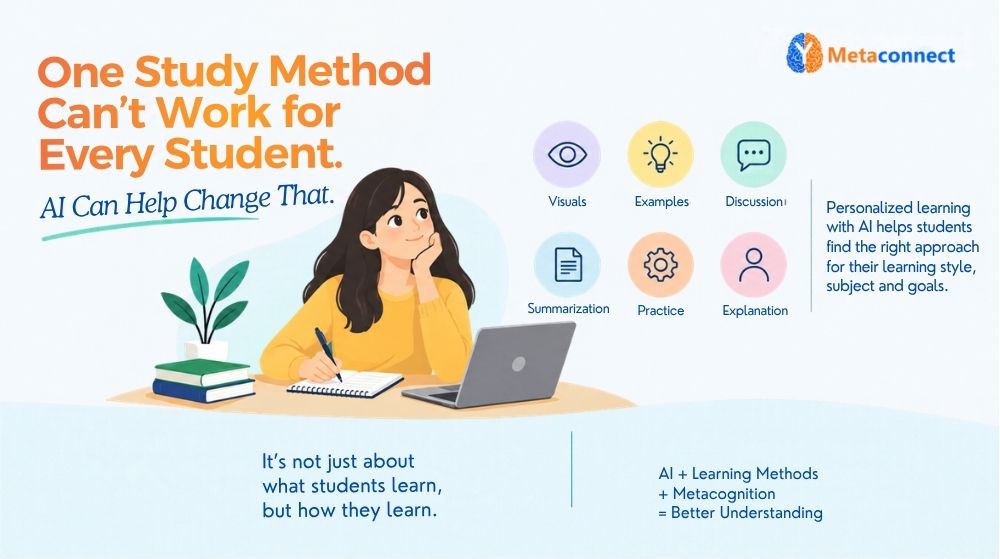
Students today learn in many different ways. Some understand quickly through visuals. Others learn better through discussions or hands-on activities. Because of this, teachers cannot rely on only one teaching method. They require flexible strategies that engage learners and make lessons more accessible to understand. They need flexible approaches built on teaching strategies and techniques that truly engage learners.
Effective teaching strategies help teachers connect with students and guide them through the learning process step by step. When these techniques are used properly, classrooms become more interactive, students participate more actively, and learning becomes meaningful rather than routine. These teaching strategies and techniques also support better retention and deeper understanding.
Let’s look at ten practical strategies that help teachers create stronger learning experiences.
10 Effective Teaching Strategies & Techniques
Strong teaching strategies help students stay interested in lessons and understand concepts clearly. These teaching strategies and techniques encourage participation, critical thinking, and collaboration instead of passive listening.
Here are the 10 effective teaching strategies and techniques.
➢ Active Learning
Active learning encourages students to take part in the learning process rather than simply listening to a lecture. Teachers involve students through discussions, problem-solving tasks, or short activities during the lesson. These teaching strategies and techniques help students stay focused and remember concepts longer.
For example, a teacher might pause during a topic and ask students to discuss a question with a partner. This small interaction helps students think about the concept and express their ideas. When students are involved in learning activities, they remain more focused and remember information better.
Active learning also gives teachers a chance to see how well students understand the lesson and where they may need more support. This approach connects well with individual interactive activities to boost classroom engagement, where participation becomes the center of learning
➢ Differentiated Instruction
Every classroom includes students with different learning abilities and preferences. Differentiated instruction focuses on adjusting teaching methods so that all students can learn effectively.
A teacher might provide different levels of tasks or materials based on student ability. Some students may work with guided examples while others explore more advanced challenges. The goal is to make sure that no student feels left behind or bored. It reflects how teaching methods and strategies must adapt to real classroom needs.
This strategy helps teachers support both struggling learners and advanced students at the same time. It also aligns with why personalized learning paths are the future of edtech, where learning is shaped around individual needs.
➢ Collaborative Learning
Collaborative learning encourages students to work together to complete tasks or solve problems. Group discussions, team projects, and peer activities are common examples of this approach.
When students work in groups, they share ideas and explain concepts to each other. Sometimes students understand ideas better when they hear them explained by their classmates. These teaching strategies and techniques also build communication and teamwork skills that matter beyond the classroom.
Collaborative learning also helps students develop communication skills and teamwork abilities that are valuable outside the classroom.
➢ Inquiry-Based Learning
Inquiry-based learning focuses on curiosity and exploration. Instead of giving students direct answers, teachers encourage them to ask questions and investigate topics on their own.
For instance, a teacher might present a problem and ask students how they think it can be solved. Students discuss possible answers, conduct research, and test their ideas. It is one of the effective teaching techniques that turns learning into discovery.
This method helps students become independent learners who enjoy discovering knowledge rather than simply memorizing information.
➢ Project-Based Learning
Project-based learning allows students to work on meaningful tasks over a longer period. Instead of completing short assignments, they create projects that require planning, research, and creativity.
A teacher might ask students to design a presentation, build a model, or prepare a report related to the topic being studied. Through these projects, students apply what they have learned in practical ways.
Projects also make learning more engaging because students feel they are working toward something meaningful and interesting. This approach aligns well with student centered learning methods, supported by ideas shared in 15 top tips for student-centered learning.
➢ Technology Integration
Technology has become an important part of modern classrooms. Digital tools can make lessons more interactive and help teachers explain difficult concepts more clearly.
Teachers can use educational videos, interactive quizzes, or digital presentations to make lessons visually engaging. Online platforms also allow students to practice skills at their own pace.
When technology is used thoughtfully, it can enhance learning and provide students with new ways to explore ideas. When used correctly, technology supports modern teaching methods and improves engagement.
➢ Formative Assessment
Formative assessment helps teachers check student understanding during the learning process. Instead of waiting until the final exam, teachers evaluate learning through small activities and quick feedback.
Examples include short quizzes, asking questions during the lesson, or collecting written responses from students at the end of class.
These assessments help teachers identify which topics students understand and which ones need further explanation. This way, teaching can be adjusted before students fall behind. These small checks are part of strong teaching learning strategies that prevent students from falling behind, as explained in formative assessment vs summative assessment: a quick comparison.
➢ Scaffolding
Scaffolding is a teaching technique where complex topics are broken down into smaller, manageable steps. Teachers provide guidance at the beginning and gradually reduce support as students gain confidence.
For example, when introducing a difficult concept, a teacher may first explain the idea with examples, then guide students through practice activities before asking them to solve problems independently.
This step-by-step approach helps students develop a strong understanding without feeling overwhelmed. This is one of the most practical teaching strategies for teachers to build confidence step by step.
➢ Multisensory Teaching
Multisensory teaching uses multiple senses during learning, such as visual, auditory, and hands-on activities. This method makes lessons more engaging and easier to remember.
For instance, a teacher may combine diagrams, spoken explanations, and practical activities to explain a concept. Students who struggle with traditional lectures often benefit from these varied approaches.
Using multiple senses helps students process information more effectively and strengthens long-term understanding. These teaching strategies and techniques work especially well for students who struggle with traditional lectures.
➢ Reflective Teaching
Reflective teaching focuses on continuous improvement. Teachers regularly evaluate their teaching methods and consider how lessons could be improved.
After a class, a teacher might reflect on which activities worked well and which ones did not engage students as expected. This reflection helps teachers adjust their strategies for future lessons.
Over time, reflective teaching allows educators to become more effective and responsive to student needs. Using reflection strengthens teaching strategies and techniques and makes teaching more effective.
Conclusion
Teaching is more than explaining lessons from a textbook. It involves guiding students, encouraging curiosity, and creating an environment where learning feels meaningful and engaging. Effective teaching strategies help teachers connect with students and make complex ideas easier to understand.
Methods such as active learning, collaborative activities, project-based learning, and differentiated instruction allow students to participate actively in the learning process. These strategies help learners develop confidence, critical thinking skills, and a deeper understanding of concepts.
When teachers use the right mix of teaching strategies and techniques, classrooms become more interactive and supportive. Students participate more, think critically, and build confidence in their abilities.



 Jumpstart Journal
 R-A-R Activity
 Critical Thinking Exercise
 Picture Reflection Or Photo Caption
 Presentation
 Thematic Apperception Test (TAT)
 Flash Card
 Micro Learning
 Research Skills
 Workshop Report Presentation
 MCQ And Descriptive Questions
 Video Analysis Presentation
 Scenario Planning
 Problem Solving
 Trivia Quiz
 Flipped Classroom
 Generative Knowledge Interviewing
 Think-Pair-Share
 Fish Bowl Group Activity
 Jigsaw Method
 Simulation
 Peer Interview
 Role Play
 Debate
 Group Discussion
 Futurism And Trend Analysis
 Report Presentation
 Assignment Presentation
 Research Article Review Presentation
 Peer Teaching
 Industrial Visit Report Presentation
 Video Podcast
 Games
Games
 Business Games
 Collaborative Project
 Team Building
 Role Reversal
 Leadership Activity
 Pitch Deck
 Case Analysis Presentation


 Learner
 Mentor
 Organisation
 Learner
 Mentor
 Organisation